If you’ve spent enough time around here, you might know by now, but we fucking LOVE Melbourne. Like, to an unhinged degree. We won’t hear a bad word about it, and we’ll regularly throw shit in Sydney’s direction. Cus, fuck those guys and their weird-looking opera house! Melbourne forever!
Joking aside, we love this city for a reason. It’s perfected that gritty, rough-around-the-edges but soft in the centre vibe. It’s a ball of friendly energy, open-minded people, and creative souls, packaged up in a graffiti-covered, crispy shell!
And honestly? We wouldn’t have it any other way.
Sure, Sydney might have some more famous sites, but no matter how hard it tries, it’s never gonna be as cool as Melbourne. After living here for a couple of years and calling it our second home, I’ve pretty much explored every corner of the city and beyond. So, I’m here writing this Melbourne travel guide to show you just how epic the city is, what makes it so special, and why you’ll love it too.
What to Do in Melbourne: Our Favourite Things and Places to See
Alright then, let’s not mess about. I’m gonna hit you with the highlights straight from the off and give you a run through of the places to see in Melbourne… because there are some bloody good ones!
So, without further ado, let’s get into my Melbourne travel guide.
1. Explore Melbourne’s Laneways and Street Art Scene
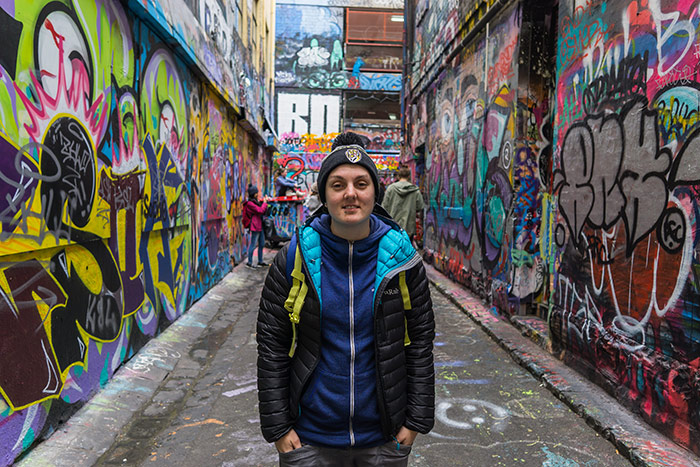
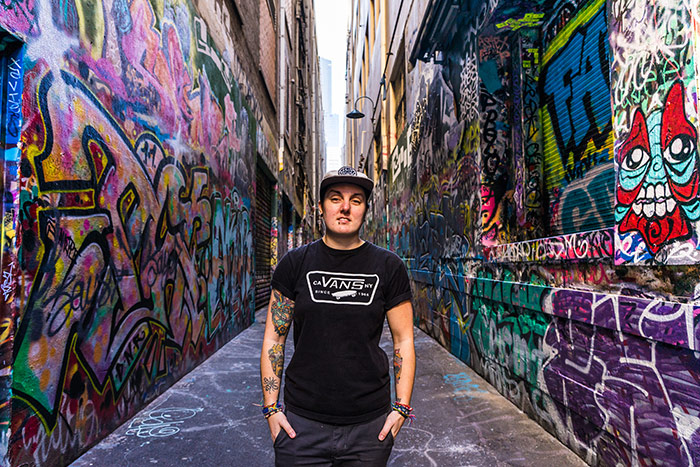
The laneways of Melbourne are ICONIC! Seriously, these days I reckon they are probably the number one place to visit in Melbourne. Which, thinking about it, is exactly why I’ve put them in the top spot on my travel guide to Melbourne!
Whilst most of the famous laneways in Melbourne are in the CBD and are known for their street art, they aren’t the only ones. Firstly, there are plenty outside of the central city, including in neighbourhoods like Fitzroy, Collingwood and Richmond, where you’ll find virtually no crowds. Then there are the laneways like Degraves Street, which is lined with cafes and bakeries offering European-style outdoor seating.
Exploring the laneways is mega easy and can be done for free, or on a guided tour if you’d like a little more information and history behind each one. The big hitters are all located within walking distance of each other in Melbourne CBD, including: Degraves Street, Hosier Lane, AC/DC Lane, Centre Place, Union Lane, Duckboard Place and Drewery Lane.
The others, well, you’re gonna have to get out there and find them… cus I’ve already told you where to go in Melbourne CBD!
This is THE most quintessentially Aussie experience you can have, and honestly, my Melbourne travel guide would be a mockery if I didn’t mention the footy. Melbourne is the home of Australian Football, and truly is its heartland. You’ll have heaps of teams to choose from, as over half the clubs in the league are based in Victoria… just don’t barrack for Collingwood (unless you’re missing a good few teeth, then you’ll have no other option unfortunately!)
We were lucky enough to be living in Melbourne during the recent glory days of Richmond (Go Tiges!), and the younger members of the family were all loyal supporters, so naturally, they became our team. We fell in love with the sport, and the passion this city has for it, so catching a game became one of my favourite things to do in Melbourne during the winter.
The best bit: getting tickets for a game at the MCG or Docklands Stadium is easy and affordable (especially when you compare it to the EPL), plus, there’s also the AFLW, the women’s competition, as well as the VFL and countless local grassroots teams to get behind. Just make sure you put your tomato sauce on top of your pie if you want to look like a pro!
The only caveat here is that the footy season runs from March to September(Aug to Nov for AFLW), so if you’re not here over that time, you can instead jump on a tour of the MCG (one of the best attractions in Melbourne anyway) or catch a game of cricket.
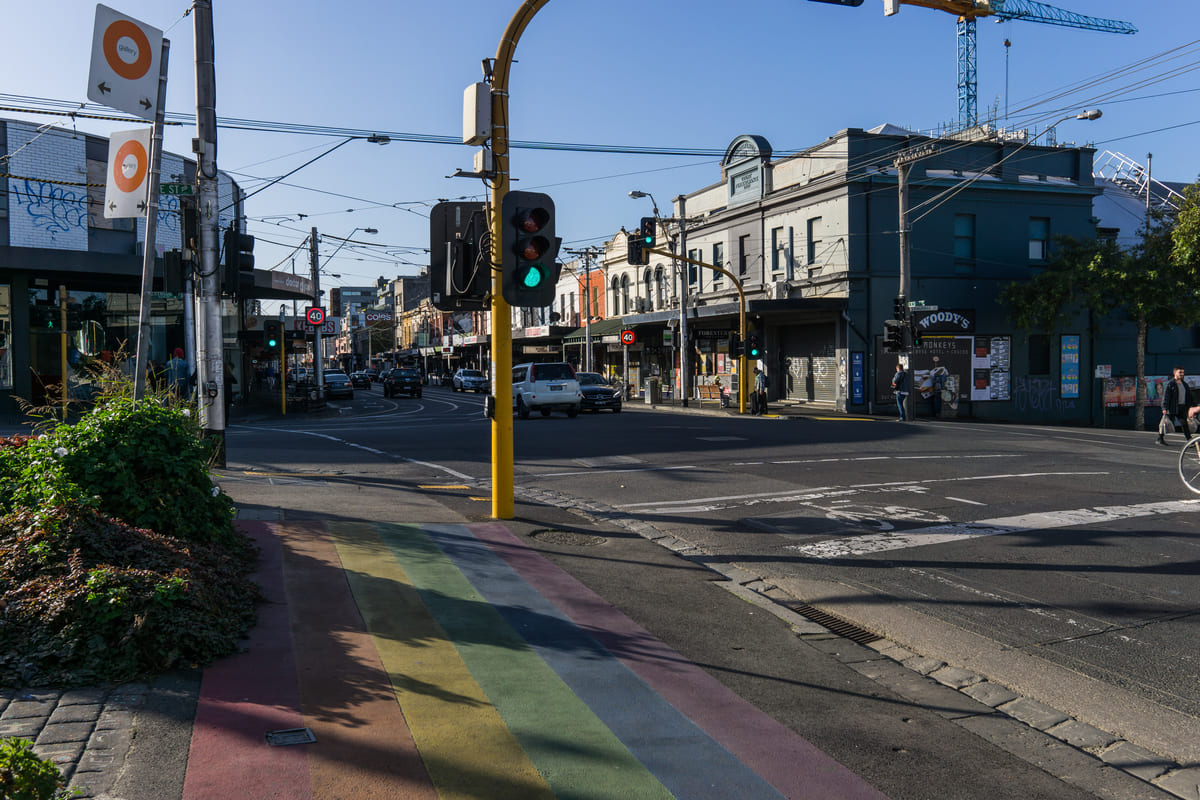
Fitzroy is my favourite area in Melbourne to grab a bite, have a coffee, rummage around the independent shops, explore the street art-covered laneways and just generally hang out. It pretty much optimises the open, friendly and inclusive feel of Melbourne, and as a queer person, it’s somewhere I feel entirely accepted and safe. It’s not an attraction in Melbourne as such, but a neighbourhood to explore at your own pace.
The vibe here and in the neighbouring areas of Collingwood, Carlton and Richmond is relaxed, open-minded and creative. You’ll find fantastic veggie and vegan food (alongside an eclectic mix of international cuisines), vintage stores and independent shops packed with genuinely unique finds, and, to top it all off, some of the best ‘magic‘ coffee on the planet – Which a Melbourne travel guide has to mention, right?!
The bar scene is also buzzing around here, and across into Collingwood you’ll also find some of the city’s best underground live music venues. All in all, it’s a colourful, unpretentious and fun part of the city to explore. One of the best things to do in Melbourne is to just wander these areas with no particular objective. If you resist the temptation to buy half the vintage shops, it’s also a great budget-friendly place to visit in Melbourne.
4. Walk Southbank and the Yarra
A stroll along the river on a sunny day, it doesn’t get much better. Image: The Roaming Renegades
Another great activity if you’re travelling on a budget is to head down to the Yarra River that winds its way right through the heart of the CBD and onwards to some of the best Melbourne attractions. Having a stroll along the Southbank Promenade is a classic Melbourne walk and an easy way to jump out of the busy streets for a peaceful break. One of my favourite spots to either take a walk or just sit back and soak in the sights and sounds of the rowing boats gliding past is Birrarung Marr Park.
The great thing about the river walk is that it can be a casual stroll, a spot to sit and eat lunch or an all-day stomp out along the main trail all the way to Studley Park and Yarra Bend, where you really will find tranquillity. Either way, it’s a nice chilled addition to this Melbourne travel guide.
If you don’t fancy walking too far, especially in the heat of summer, taking a cruise along the river is a great way to take in the city, its skyline and various lesser-seen spots along the banks of the Yarra. It’s also a surprisingly affordable activity and even more magical at sunset with a few bevvies… just don’t overdo it and end up overboard!
Have you been to Aus if you haven’t got sunburnt on a beach?! Image: The Roaming Renegades
OK, so this is a bit of a secret spot, but I’m gonna share it just with you ‘cos we’re mates, right?! This might not be on many other lists of top attractions in Melbourne, but that’s because they don’t know about it! Melbs might not be known for its beaches, which is a bit of a shame because it’s actually got a surprising collection of half-decent urban beaches, plus some absolute worldies just outside the city.
That leaves you with a bit of a dilemma, though. Do you stick with the beaches closer to the CBD, like St Kilda and Brighton? They’re alright, but can get pretty crowded. Or do you venture further away to places like the Mornington Peninsula or the Great Ocean Road, where you’ll need a car and a whole day to make the most of it?
The solution? Head to Half Moon Bay at Black Rock. I reckon it’s the closest beach to the city that really feels idyllic in the way a coastal getaway might do, yet it’s just 19km from the CBD. This sweeping crescent-shaped beach with golden sands and clear blue water is sheltered by dramatic red cliffs, making it a stunning spot to cool off or just sit back and enjoy the views. Told ya, you’re not getting this on any other Melbourne travel guide!
How to get to Half Moon Bay:
Take the train to Moorabbin Railway Station (Moorabbin) on the Frankston Line.
From there you can:
Take the 825 bus to Arkaringa Cres/Bluff Rd (Black Rock) (around 10–15 minutes).
Or walk the whole way; it’s about 3 km (35-40 minutes).
Or take a short taxi from the train station.
Otherwise:
You can take the 600 bus from St Kilda directly to Arkaringa Cres/Bluff Rd.
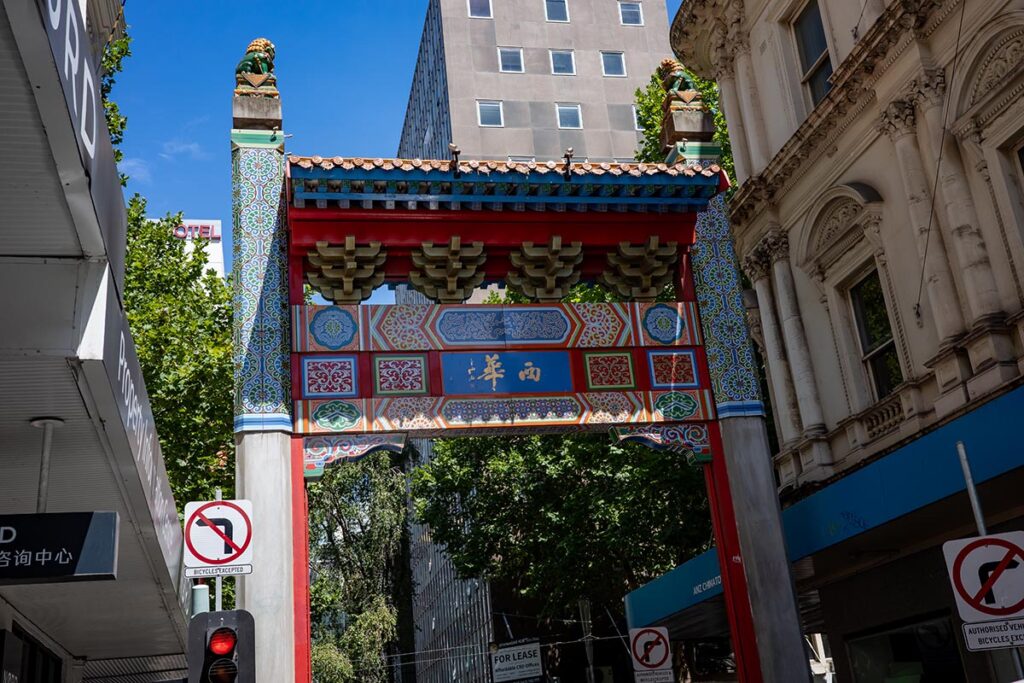
Melbourne is home to the oldest Chinatown in Australia, established during the gold rush era of the 1850s. As such, the community here is well established and offers a range of food you’re unlikely to find anywhere else outside of Asia. Whatever you’re craving to eat, or whichever niche product you’re searching for, you’ll find it here! I honestly think it’s such a quintessential experience to add to my Melbourne travel guide.
If you’re on a tight budget, it’s one of the best places in the CBD to grab a tasty and affordable meal. So, make sure you arrive hungry! Little Bourke Street is the heart of Chinatown, with its iconic and colourful archway, endless restaurants, overflowing Asian supermarkets, bubble tea shops and little bakeries. Be sure to duck down some of the adjoining laneways, too, where you’ll find plenty more hidden gems and local spots.
It’s not all about the food, though. If you’re in the mood for a bit of fun, there are heaps of karaoke bars where you can blast out your best rendition of You’re the Voice! During the day, wander the arcades, the Chinese Museum, and take in the historic buildings; at night, watch as the neon lights illuminate the streets as it comes alive with the after-work and dinner crowds. It’s one of the Melbourne tourist spots you really can’t miss.
7. Pay Respects At the Shrine of Remembrance
Dramatic architecture leads the way to incredible views over the city. Image: The Roaming Renegades
The Shrine of Remembrance down St Kilda Road is one of the most iconic and recognisable landmarks of the city. Built in 1934 to commemorate those lost in the First World War, it’s now Victoria’s principal war memorial, honouring Australians who have served in conflicts and peacekeeping operations. It’s a moving and impressive building to visit even if you’re not particularly interested in military history.
The imposing architecture also houses a fascinating design feature. The “Stone of Remembrance” in the centre of the shrine is illuminated by a ray of sunlight at 11 am on 11 November – Remembrance Day.This effect is recreated every half hour for visitors to witness. Below is an extensive free-to-visit crypt, museum and gallery where you can learn more about Australia’s military history.
One of the best features, though, is the balcony at the top of the Shrine. It’s free to ascend, and from here you’ll get one of the most impressive views over the skyline of Melbourne and the surrounding gardens. From here you’ll also get a bird’s-eye view of the eternal flame, which has been burning continuously since 1954. Overall, it’s one of the most prominent Melbourne attractions and well worth the stroll down from Flinders Street.
8. Chow Down on Melbourne’s Legendary Food and Coffee Scene
You know you’ve become a boujee backpacker when your brekkie has edible flowers! Image: The Roaming Renegades
I’ve already mentioned Chinatown for its incredible culinary scene, but that’s just one string to the bow that is Melbourne’s vast, varied and world-renowned food landscape. Melbourne’s food culture is one of its defining characteristics and is a true representation of the layers of history and multiculturalism that make this city so unique.
From classic smashed avo brunches, the world’s best coffee and tiny pizzarias down busy laneways to flavours from pretty much every corner of the globe. Melbourne isn’t just a city to explore with your feet. If you really want to get under its skin, you need to follow your stomach!
Eating out in Melbourne doesn’t have to cost a fortune either. I mean, sure, you can dine in some of the continent’s most exclusive restaurants if you really want to, but equally, wandering around Queen Victoria Market and picking up some bargains, or catching the tram down to Footscray for a world-class Vietnamese feed is just as rewarding. Seriously, one of the best activities in Melbourne is to just get out there and eat as much as you can!
Places to eat and drink recommended by The Roaming Renegades:
OM Vegetarian – Wales Arcade, 227 Collins St. (Our fave budget place in the CBD)
Smith + Daughters – 107 Cambridge St, Collingwood
Naked For Satan – 285 Brunswick St, Fitzroy
Shanghai Street – 146/148 Little Bourke St.
Lulu’s Malaysian Hawker – 27-31 Hardware Ln
Pho Hung Vuong Saigon – 128 Hopkins St, Footscray
North Melbourne Fish And Chips – 38 Haines St, North Melbourne
La Cucina Melbourne – 628 Little Bourke St.
Another great way to explore all the different cuisines and legendary restaurants only locals know about is to jump on a food tour around the city. These usually include tasters at various different spots and getting to know a little more about the history of each place too.
If you fancy getting out of the city and seeing a different side of Melbourne without having to spend all day on transport or jump on a tour, head on the tram to St Kilda. This seaside town combines an old-school beachside neighbourhood vibe with a recently revitalised energy and cafe scene. Of everywhere recommended in this Melbourne travel guide, it might just be the most fun!
Being one of the closest beaches to the city, it’s the perfect spot to cool down on a hot Melbourne day. And honestly, to say how close the beach is to the CBD (20-25 mins on the tram) is pretty bloody decent. Add to that the abundance of restaurants, cafes and bars, as well as the area being popular with backpackers, and it’s easy to see why it’s a good day out.
However… that’s not even the best bit! Down here you’ll find Luna Park, a quirky, old-school funfair with old-timey vibes, vintage rides and old-school charm. It’s equal parts nostalgic fun and wacky fever dream! It’s certainly one of the most unique places when it comes to Melbourne tourist attractions.
Not enough, well, ok, get a load of this. After you’ve spent the day trying not to throw up, head down to the pier at sunset to watch the local colony of Little Penguins come home for the evening. Yeah, St Kilda quite the place!
This is probably one of the first things you should do when you arrive in Melbourne, which is obviously why I’ve put it at number 10! Anyway, that’s beside the point. It’s a great way to get your bearings when you arrive, and you can hop on and off throughout your stay as you explore the city. Plus, it’s probably one of the most famous Melbourne city attractions, so you’re kinda obliged to do it, not gonna lie.
Melbourne’s famous City Circle Tram (Route 35) is a FREE circular loop around the CBD and Docklands. It takes roughly an hour in total and passes by or close to most of the main sights and places to see in Melbourne.
Not only that, but you’ll also get audio commentary on board, sharing interesting facts, history and stories about the city and the locations you pass. Well, anyway, it’s interesting on your first trip, perhaps… by the fifth time, maybe not so much!
But hey, as I said, it’s free, so beggars can’t be choosers, right? It’s one of the best things to do in Melbourne on a budget, to be fair, so great for those backpacking in Australia.
This route uses the historic heritage trams, and you can just jump on and off without tapping or even having a Myki card. You can board the tram anywhere on the route, but popular spots include Flinders Street Station, Parliament and Docklands. It’s a brilliant way to see the city and get from one side of the CBD to the other while saving your legs, as my granny used to say!
Melbourne Area Guide: The Best Neighbourhoods for Shenanigans
Ok, so you know what you wanna do in Melbourne; next up, you’re gonna want to sort out where you’re staying so you can start putting together your itinerary and planning your trip.
This isn’t as comprehensive a guide to the best areas to stay in Melbourne; we’ve got a dedicated post for that, but this is basically a highlight reel, so you can jump in and get the best info asap.
The Best Areas in Melbourne:
Melbourne CBD – The Best Place to Stay for Tourists and First-Timers
Fitzroy – Best for Alternative Vibes (TRR Fave)
St Kilda – Best for Backpacker Atmosphere and Beaches
Footscray – Where to stay in Melbourne on a budget
Collingwood – Best for Nightlife/ Live Music
Williamstown – Best for Beaches & Families
Mornington Peninsula – The Best Location to Stay Outside the City
Where to Stay in Melbourne — Top Accommodation Picks
We’ve been staying in Melbourne for a while now, and over that time we’ve hopped around all over. For the most part, when we lived there, we stayed with a family in the northern suburbs in an Airbnb we ended up eventually just paying board each week.
However, our adopted Aussie family have recently upped sticks and moved to the country on the border with NSW – rude, I know.
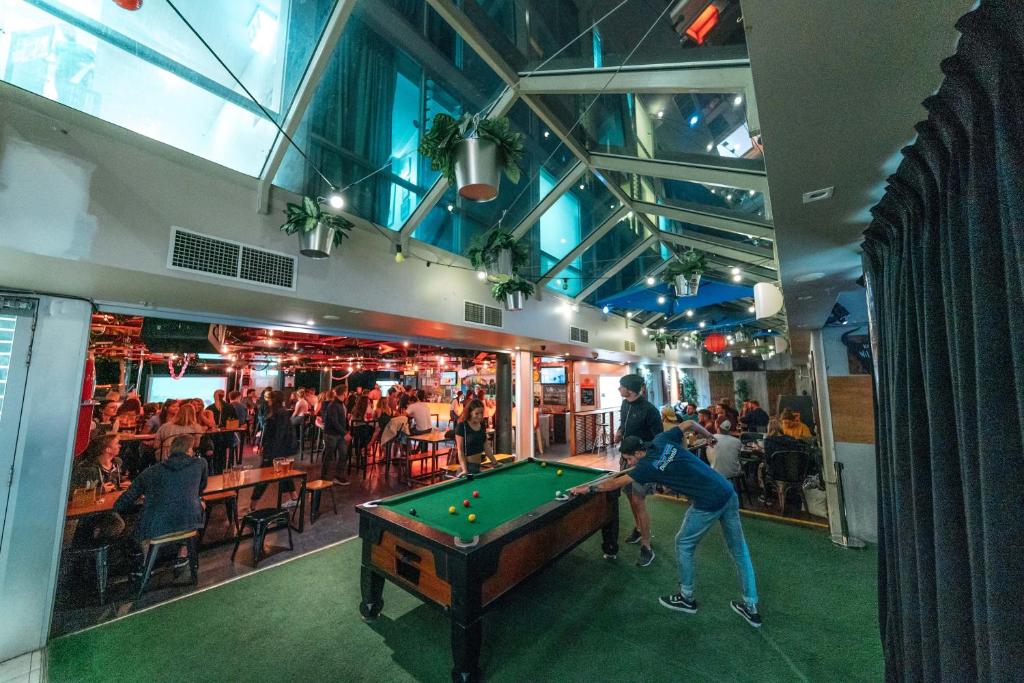
So that leaves us having to find accommodation in Melbourne when we come back. For us, our new base has become Nomad’s Hostel in St Kilda; it’s perfect for us as it offers private rooms (not just dorms – we’re too old for that!), it’s close to the beach, and it’s also super social for when we’re feeling like mingling.
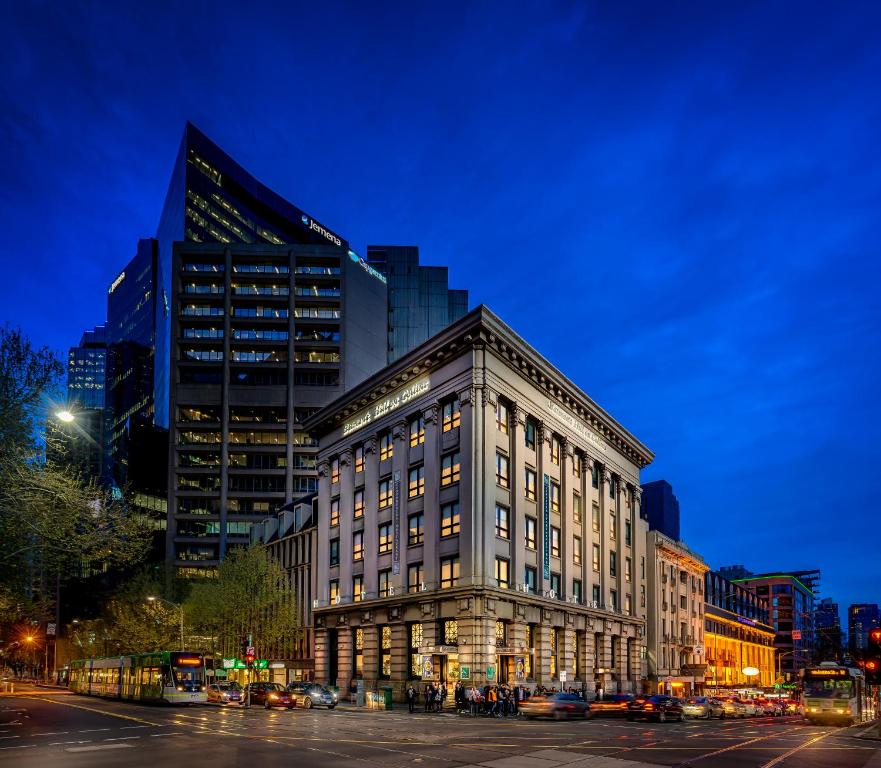
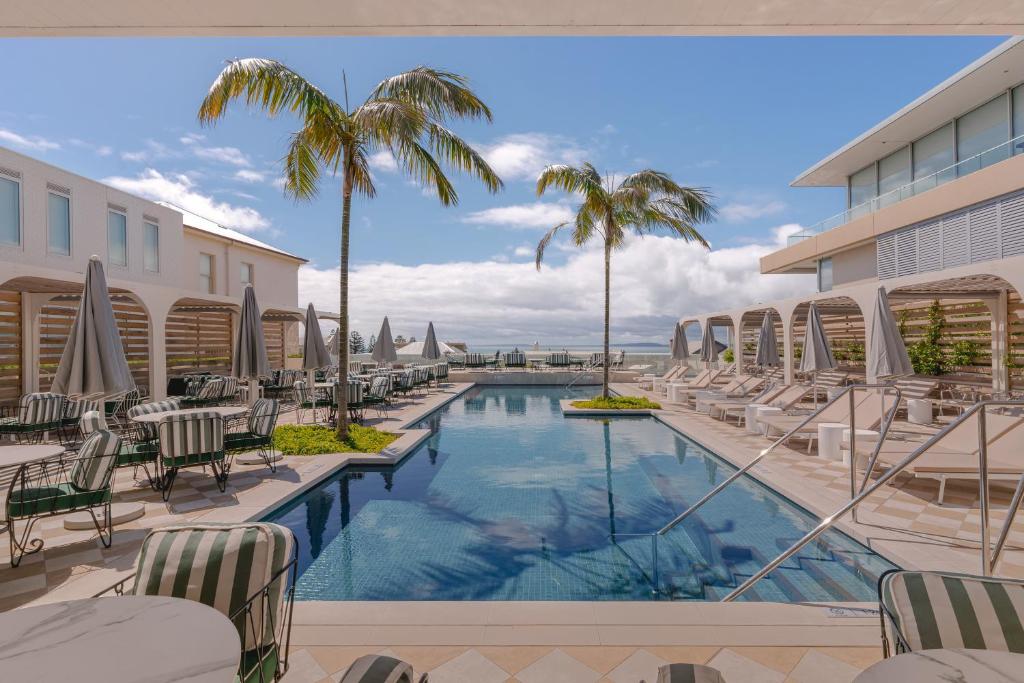
Having said that, sometimes we do like to splash out if it’s a special occasion or we want to base ourselves in the CBD. So here’s a list of our top three favourite places to stay in Melbourne – depending on the type of trip we’re on.
Melbourne Travel Guide: Planning Your Visit to Australia’s Cultural Capital
Yeah, you read that right *casually inserts another dig at Sydney* Melbourne IS the cultural capital of Australia; there’s no point arguing against it. Look, I’ll admit that drivers in Victoria are somehow shitter (maybe it’s those bloody hook turns), but Melbourne just feels so alive with history, happenings and heart. Other large cities can feel a little too gentrified and bland by comparison.
Soooo, with that in mind, I’m gonna give you some top tips for your Melbourne trip that will make planning, budgeting, getting around, and anything else I can’t remember that I’ve written about below, much easier.
The Best Time to Visit Melbourne
I’ll be honest, there isn’t really a bad time to be travelling to Melbourne. Ok sure, it gets a bit of a bad rap for the weather in the winter, and yeah, there’s a reason it’s not called the Sunshine Coast down here, but that’s when you’ll hit the footy season, and honestly, Melbourne is about much more than Aussie stereotypes.
Whilst there are some of the most amazing beaches in the country down here, a visit is much more multidimensional than that, and summer can get pretty bloody scorcho in the city. So planning the right time for your type of visit is important, but it’s not an absolute deal breaker.
These months mark the summer in Melbourne and the most reliable weather if you’re coming here coming for warm weather, long sunny days and plenty of opportunities to enjoy the city’s outdoor lifestyle. It’s a great time to travel to Melbourne for festivals, events and just the general vibe of the city.
In typical Melbourne fashion, it can still go from being 40c one morning to 19c the same afternoon. So you should still prepare yourself for some unpredictability, and you shouldn’t rely on the stereotype of Melbourne being cold to avoid the blistering Aussie summer either.
Having said that, it’s a great time to visit when other parts of the country are genuinely like being in an oven 24/7 without a break in sight. In Melbourne, you at least know there’s gonna be a switcharoo around the corner at some point!
The average summer daytime highs are around 24-26°C, but regular heatwaves can push that up to the high 30s and low 40s.
During this time, as it’s peak season, expect accommodation to be harder to find and more expensive. Tours and flights can also book up quickly, as can campsites if you’re looking to do a road trip.
The shoulder seasons of Autumn and Spring are ideal times to visit Melbourne if you’re looking to avoid some of the more extreme temperatures summer can bring whilst still being able to enjoy the city without the chilly winter weather.
During these months, you can often get the best of both worlds: comfortable temperatures, plenty of opportunities to explore outdoors and generally fewer crowds than during the peak summer season.
Autumn, particularly March and April, can be the perfect time to explore, with lovely warm days often stretching beyond summer.
That said, you’ll still need a bit of luck with the weather! Melbourne is famously unpredictable, and spring in particular can bring a real mixed bag of sunshine, wind and rain!
For Melbourne’s shoulder seasons, average daytime highs range from around 17°C to 24°C
These are Melbourne’s winter months, when the city is famous for being “cold” and “wet”. I’ve put those in quotation marks because I’m from the North of England, so while I can appreciate that Melbourne gets chillier than you might expect, it’s still a far cry from a Manchester winter!
However, if you had dreams of coming down under to sit on a beach on a gloriously sunny day, then it might just come to an abrupt end on a soggy afternoon in St Kilda! Thankfully, you’ll find these to be the more affordable months to visit, although some tours and coastal activities may be affected by poor weather.
Clear, sunny days are certainly possible, and I found Melbourne’s winters much milder than back home. That said, a lightweight down jacket and a waterproof outer shell will be your best friends, particularly if you’re heading to the footy in the evening – because this is THE time to visit if you want to catch a game.
Melbourne’s average daytime highs sit around 13–15°C, with overnight temperatures dropping to around 6–7°C. I’ve even experienced morning frost here, so don’t underestimate the chill!
Having spent 2 years in the city, I’d say that’s just about time to explore all the city and the surrounding areas have to offer – but I’m aware you might not have that sort of time to play with!
For a trip where you’re combining seeing all the highlights of the city with a day trip, I would suggest at least 5 days. But let’s have a look at a few breakdowns.
3 Days in Melbourne –
Three days in Melbourne is perfect for a short, highlight-reel kind of visit. During this time, you’ll be able to visit most of the must-sees in Melbourne around the CBD comfortably, such as wandering the Laneways and sampling some of the great food and coffee here.
If you want to explore a little further afield, such as St Kilda or Fitzroy, you might need to plan ahead or be a little more selective, especially if your flight times eat into your itinerary.
I’d recommend staying as centrally as possible on a three-day trip and making sure you’re close to major transport hubs, so you have enough time to visit the main places of interest in Melbourne.
5 Days in Melbourne –
Five days in Melbourne is the sweet spot for me when it comes to picking off the major attractions both in and around the city, whilst still having time for one selected day trip (such as The Mornington Peninsula, Grampians or Great Ocean Road) without ending up exhausted.
During this time you won’t feel rushed, taking your time to head to some lesser-known laneways, spending a day at the beach and fitting in a full afternoon’s worth of rummaging around vintage shops in Fitzroy. You’ll also have plenty of time to try out a few different coffee shops and cuisines whilst, of course, still hitting up all the main places in Melbourne to visit.
I’d still recommend staying centrally on a five-day trip, but some of the areas that neighbour the CBD and are well connected, such as Collingwood, also work well, especially if you want to enjoy some nightlife too.
7+ Days in Melbourne –
Now we’re talking! Seven days is perfect if you want a proper trip where you can soak in Melbourne, its neighbourhoods and hidden gems whilst still being able to enjoy a leisurely brunch or a day by the coast. You’ll get to go way beyond the highlights reel and dive beneath the surface, discovering just how multifaceted Melbourne is and why we love it so much.
If you’re spending a full week here, then you’ll also have time to take a couple of day trips if you feel like exploring further afield. Or, you could expand what is quite a substantial trip to The Great Ocean Road by staying overnight, giving you the opportunity to be here for sunrise and make the drive back at your own pace.
With a week to play with, you can also afford to stay further out of the CBD, allowing you to experience the different vibe that it brings to your trip. St Kilda, for example, is a fun place to base yourself for a longer visit or stay in Collingwood if you’re looking for places to go out in Melbourne like pubs and clubs.
Having longer means more time for exploring museums and parks at a slow pace Image: The Roaming Renegades
How to Get Around Melbourne
Melbourne has a great public transport network, and the CBD itself is covered by not only the free tram, but it’s also pretty walkable in itself. These things make it an easy city to explore, not only centrally, but also to venture out to many different areas around the city and beyond.
Here I’ll detail the different options for getting around Melbourne.
Melbourne Transport Guide
Myki is a reusable card used to pay for most Melbourne public transport, such as trains, trams and buses. You’ll have to pay a fee for the card itself ($6.00).
You can top it up in a few different places: Train stations, myki machines, online and authorised retailers such as 7-Eleven (where you can also buy the card itself). You’ll also find standalone machines where it’s possible to check your balance without having to queue for the recharging machines.
To use your Melbourne Myki, you simply tap on and off (no need to tap off on trams) either when boarding or when going through gates at stations.
There is also a digital Myki card available on compatible Android devices (not yet available on iPhones). This doesn’t require the $6 fee. Compatible contactless bank cards/devices can also be used for tapping on and off – but check beforehand.
Melbourne public transport uses a zone-based/fare-capped system – which means that there is a daily fare cap and you’ll be charged for your journeys accordingly until you reach it.
The Free Tram Zone doesn’t require a ticket, Myki card, or to tap on or off to use. However, if you stay on beyond the free Melbourne trams zone (there will be an announcement), then you should tap to begin your paid-for journey.
The trains around Melbourne pretty much act like a suburban metro system, with an extensive network of lines connecting the CBD to neighbourhoods and suburbs across much of the city, including some of the far-reaching areas (like Craigieburn where we used to live!).
For a lot of your exploration outside the the CBD, you’ll be able to get there using either trams or the trains, so they come in mega useful. The main hubs are Flinders Street Station and Southern Cross Station, where you can connect to the Melbourne metro.
You can also take the train out into regional Victoria and beyond into NSW, including connections to Albury and Sydney.
One frustrating aspect of Melbourne’s train network is that connections between lines can be less convenient when travelling between outer suburbs, sometimes meaning you have to head back towards the city to change trains or take a bus between lines.
Plus, many of Melbourne’s most popular day trips, including the Great Ocean Road, the Grampians and Mornington Peninsula, aren’t practical or even possible on the train, which is where you’ll need to book a tour or rent your own car.
The iconic trams in Melbourne are one of the easiest ways to get around the CBD and inner suburbs; they’ll take you to places such as Collingwood, Fitzroy, St Kilda, Docklands, Footscray and Coburg and many of the main places to go in Melbourne.
The Melbourne trams are an easy, reliable and affordable way to explore virtually everywhere you’d want to visit within the central city region. And don’t forget, much of the CBD is covered by the Free Tram Zone.
Buses, on the other hand, are useful for local connections but aren’t as essential for most visitors. There are areas where they come in, such as transferring between outer train lines and covering short distances from train or tram stations (such as reaching Half Moon Bay).
Taxis and Ubers are the most expensive way to get around Melbourne. Within the CBD and inner suburbs, they are all but unnecessary, and you’ll spend more time battling through traffic.
They do have their uses, however, such as when travelling with kids or lots of luggage. They can also be helpful for covering short connections, the final leg of a journey, or areas where public transport is poor. They are also a good option if you’re out late at night.
Taxis and rideshares in Melbourne are on the whole safe and trustworthy, but sticking to either Uber or companies like 13cabs, Silver Top Taxis, and Black & White Cabs is the best way to be sure.
If you’re planning on taking some trips outside of the city, such as out to The Great Ocean Road, Mornington Peninsula, Wilsons Promontory, Philip Island or The Grampians, then the best way is to get yourself on an organised tour.
These places are notoriously difficult to reach on public transport, and the distances covered can be deceiving, meaning having the day organised is crucial when time is limited.
For the majority of people visiting Melbourne, you’re not going to want a car, in all honesty, as the traffic is heavy and parking is hard to find in central areas.
However, the exception is if you’re planning on exploring extensively outside the city and want the freedom to plan your own itinerary without relying on an organised tour.
As mentioned above, day trips to places such as The Great Ocean Road, Mornington Peninsula, Wilsons Promontory, Philip Island and The Grampians are all highly recommended, but hard to reach on public transport.
It’s not just about getting there either. On the way there are plenty of little towns to visit, and an endless amount of side quests to distract you if true adventure is your kinda thing.
In places like Mornington Peninsula or The Great Ocean Road, you’ll have the opportunity to explore lesser-visited coastline and quaint seaside villages. In The Grampians, you’ll be able to tackle some of the hiking trails you just wouldn’t have time for on an organised tour and visit viewpoints the coaches can’t reach.
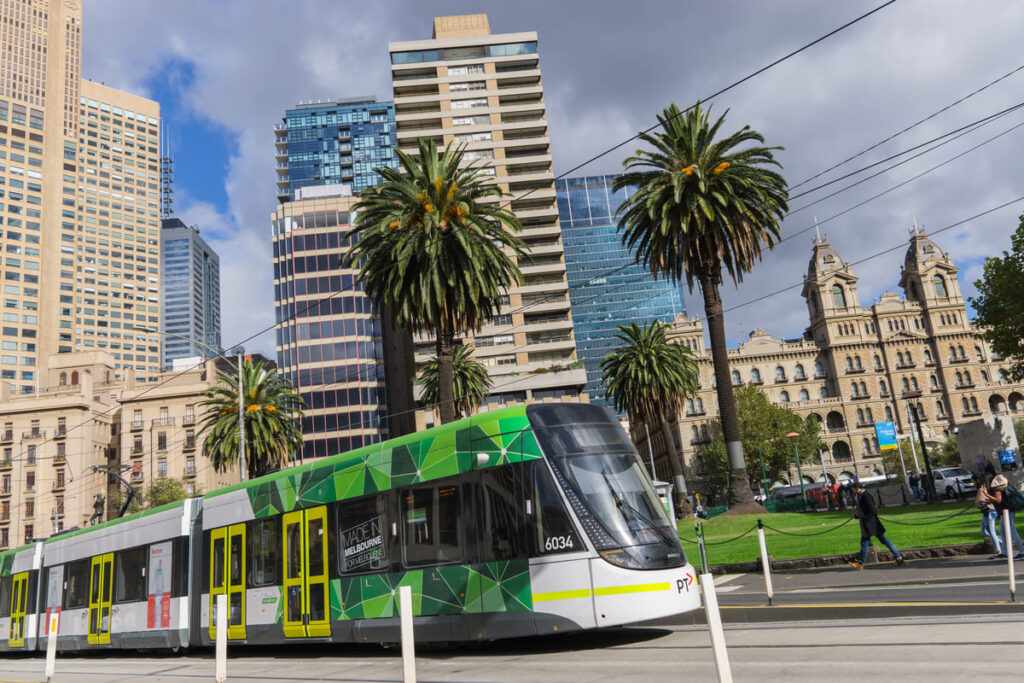
The famous Melbourne trams and its beautiful mixture of architecture in the background. Image: The Roaming Renegades
Staying Safe in Melbourne and Other Useful Travel Tips
Thankfully, Melbourne is a super safe city to explore, and even a late-night stroll is unlikely to end in trouble unless you come across a stray drop bear! :-p Also, pretty much all the good places to go in Melbourne are centrally located and not in isolated locations.
Beyond that, the usual advice when visiting big cities is applicable here.
In busy areas and on public transport, be sure to keep your valuables close by and avoid leaving them unattended. Be mindful at outdoor cafes in particular and keep your bag in sight.
Be careful when consuming alcohol and don’t overdo it, especially in unfamiliar areas.
Take extra care around trams and tram stations, especially when stepping off the tram.
Plan your journey home at night and check that public transport is running when you’ll be returning; otherwise stick to reputable taxi companies or Uber.
Choose well-lit and busy areas when walking alone at night.
Be careful in the water. At beaches, be sure to stick to areas between the flags and follow safety advice from lifeguards. Be particularly vigilant when it comes to riptides. This goes for the whole country and is one of my biggest pieces of advice for visiting Australia.
Don’t underestimate the Aussie sun. Even in the cooler months, the UV levels can be high enough to cause damage and sunstroke. Be sure to wear SPF 50 sunscreen, a hat and keep hydrated.
If you’re driving, be careful of kangaroos in rural areas, especially at night. Some insurance doesn’t cover you for nighttime driving for this reason, so check beforehand.
Get yourself an eSIM before travelling; that way you’ll always be connected in case you need to use services like Google Maps or book an Uber.
Use the code “AIRALOESIM10” for 10% off your first purchase below.
000 – emergency services in Australia (police, fire or ambulance).
131 444 – Victoria Police Assistance Line for non-urgent police assistance.
Top Tip for Safety and Basically Travelling Everywhere… get yourself some travel insurance. Australia’s healthcare system can be a nightmare to navigate as a visitor, so you can at least take the financial burden away in case you do get a bit too merry on a bag of goon!
We recommend SafetyWing, especially if you’re on a longer trip and you’re looking for rolling coverage you can cancel at any time. We’ve had a couple of claims, and they’ve been faultless in their assistance and paying us out.
Find a policy here
Travel Costs and Budgeting for a Trip to Melbourne (Renegade Style!)
Show me the money! Let’s get straight to it, because it’s all well and good talking about money and expenses, but I know as a backpacker myself I want to see some relatable figures before I decide which organ I need to sell!
Travel Style
Accommodation
Food
Transport
Activities
Nightlife
Daily Budget
Cashless Loser
Hostel dorm
Supermarkets & cheap eats
Walk + free tram
Mostly free
A couple of beers
A$60–90
Regular Renegade
Nice hostel/private room
Cafés + cheap dinners
Public transport
One paid attraction
A night out
A$120–180
Full Tourist
Hotel
Restaurants
Trams + Ubers
Tours & attractions
Cocktails
A$220–350
Big Spender
Boutique/luxury hotel
Top restaurants
Ubers
Premium tours
Fancy bars
A$400+
Typical Melbourne Costs
I’ll be honest, Melbourne isn’t exactly a budget destination, but there is also ample opportunity to make it more affordable. Post-pandemic inflation, prices are high for things like food, but realistically, they’re comparable with most of the developed world.
On the other hand, going out boozing has gotten fucking next-level expensive and tours can be pretty spenny as well. But the thing is, you’ve always got the beaches, the laneways and a good old wander around the different areas of the city… for free!
YELLOW AND BLACK!!!! Footy is actually pretty affordable to watch. Image: The Roaming Renegades
The Toppest of Tips for Doing Melbourne on a Budget
At heart, I’m still a dirtbag backpacker, and I vividly remember first arriving in Australia after spending a year travelling around Southeast Asia and PANICKING!
We were sitting outside a Coles with cheese and a baguette thinking, “we’re gonna starve here!” Thankfully, we survived for a whole two years, plus plenty of return trips… but in that time, we learnt a lot about budgeting in Melbourne!
So, I’ll let you in on a few insider Melbourne travel tips!
Food/ Drink Tips –
This was one of the biggest shocks to us when we arrived in Australia, but once you know what and where to look, you’ll save yourself a lot of dough on your Melbourne visit.
First things first, you’re gonna want to cook your own meals, so try to get accommodation with kitchen facilities. Some hostels in Australia also offer free meals, so keep an eye out for that. But this is going to mean staying in a hostel or an Airbnb/ couchsurfing.
After that, you’ll want to buy groceries at places like Aldi and hit up the farmers’ markets just before closing to see if you can bag some freebies. Avoid IGA if you can help it! Woollies and Coles are ok if you look out for deals.
If you do want to eat out, then stick to good old fish and chips (or just the chips if you’re veggie or povvo, or both like us!) or hit up some of the Vietnamese joints over in Footscray or dim sim places in Chinatown.
Avoiding the pub is also going to save you a ton of money, but fear not, the Aussie backpacker staple – a bag of goon – means you can still get shitfaced without breaking the bank! Good times!
Accommodation Tips –
Of course, you’ve got hostels, but at an average of $50 a night for a bed in a dorm, they’re also not exactly cheap! Sometimes you can get a deal on a long stay or work in the hostel itself for free or discounted rates.
For shorter trips, checking out Couchsurfing or hitting up mates is a good shout. We stayed in Perth and Adelaide with people we’d met whilst travelling in Europe and Asia, and it was not only free, but so much fun to explore the cities with locals.
For longer stays, have a look at housesitting or book a private room in a shared Airbnb. This often results in some amazing local experiences, and in fact, we did this for the majority of our time in Melbourne and basically picked up an Aussie family as a result. It would probably be my biggest piece of Melbourne travel advice if you’re here for a while.
Staying outside of the CBA is also much more cost-effective. For Melbourne, make sure you stay somewhere along the main train or tram lines so you can still move around easily, especially if you’re here on a Working Holiday Visa.
Transport Tips –
Melbourne is super walkable, so make use of your own two feet when you’re exploring central areas. It’s pretty easy to walk all the way across the CBD and even into some of the closer neighbourhoods like Fitzroy, Collingwood or Richmond.
The free tram zone is also good for saving your legs if you need to get across the city. I mean, have you visited if you’ve not been on a Melbourne tram?!
Public transport like the train, buses and trams are all pretty affordable when you need to use them, and due to the daily fare cap, you know you’re not going to spend beyond the limit.
This was just luck, but during our time in Melbourne, our adopted Aussie parents ended up basically letting us use their car for trips out of the city. So we saved on renting a car or paying for tours this way.
Activities Tips –
One of the great things about Melbourne is that many of the main attractions, such as beaches, laneways, street art, galleries and exploring the different neighbourhoods, are free, and many others, like watching the footy, are pretty cheap.
Figure out which places you want to visit that might be expensive, like taking a day trip, and decide what you can afford. Bookend the more spenny days with free activities on the other days. One thing I tried to do in this Melbourne guide was to provide a balance between paid-for and free things to do.
Our adopted Aussie parents at their new place outside of the city. Image: The Roaming Renegades
Lastly, Take Some Day Trips from Melbourne – for the Adventure!
Y’all know already, by reading this whole damn love letter to Melbourne, how much we love the city and the suburbs, but what really is the icing on the cake is the amazing day trips you can take.
It’s almost like the city has so much to offer; it’s easy to get enchanted to the point of not wanting to leave. Trust me, I’ve been there!
But when you realise that there are places not so far away that offer totally different experiences, and they’re so close by, you understand that this is just another reason why Melbourne is such a fantastic place to visit.
The 12 Apostles are a must-see when visiting Melbourne. Image: The Roaming Renegades
Great Day Trips from Melbourne
So, let’s take a look at a few of our favourite places to visit outside of the city, because as much as I love doing a Melbourne city guide, I do think there’s much more to see in the region.
Heading down to explore the Mornington Peninsula is a classic trip just outside of the city. From the CBD to the town of Rye, it’s about 100km and takes about an hour and a half to drive there.
Here you’ll find some of the best beaches in the whole region, and plenty of them are suitable for swimming also. My favourites include Sorrento Back Beach, Rye Ocean Beach and Diamond Bay Beach. There are also plenty of places to surf too, including the impressive Gunnamatta Beach, which is for experienced surfers – but I did see an echidna here!
Aside from the beaches, there are plenty of other things to see and do here. Places like Point Nepean National Park and London Bridge Lookout are perfect for coastal hikes, and towns such as Sorrento, Rye, Portsea, Mornington and Red Hill offer quaint seaside vibes with nice cafes, surf shops and a sleepy atmosphere.
As if that’s not enough, there are also hot springs and vineyards down here! It’s pretty much got it all. If you’re struggling to sort out your own transport, then unfortunately public transport down here isn’t great, so I’d recommend getting yourself on a tour.
The Great Ocean Road is pretty much THE trip to take from Melbourne, and as much as I love The Mornington Peninsula (we’ve got friends who live down there), you really can’t beat this incredible stretch of coast.
The entire road is around 243km long and forms what is the world’s largest war memorial after it was built between 1919 and 1932 to honour of Australians who served in the First World War.
The starting point is in the town of Torquay, roughly an hour’s drive from Melbourne. Here you’ll find the legendary Bells Beach, home to the Rip Curl Pro Bells Beach since 1961.
There are pretty much an endless number of stops along what is known as the “Shipwreck Coast”, which you can imagine, as the name suggests, is rugged, powerful and treacherous yet stunningly beautiful.
Of course, you’ll want to hit up the famous places such as The 12 Apostles, Loch Ard Gorge (one of my faves), London Arch, Gibson’s Steps, and Apollo Bay (where you can swim).
But don’t forget to stop at some of the smaller places such as Kennet River (you’ll often find koalas here), Lorne (head up to Teddy’s Lookout), Childers Cove, Cape Patton Lookout, The Razorback and inland to Hopetoun Falls.
Doing the trip on public transport is pretty much a non-starter unfortunately, especially if you’re only on a short trip. Ideally, you’d take your time over a few days, camping along the route and getting to experience it at sunset and sunrise, but most people take an organised day tour from the city.
The Grampians are another incredible place to visit outside of Melbourne if you’re looking to escape the city and get out into nature. Rather than heading for the coast, this trip will take you inland where you’ll discover a spectacular landscape of rugged sandstone mountains, dramatic lookouts, waterfalls, forests, wildlife and ancient Aboriginal cultural sites.
The Grampians are in western Victoria, approximately 260 km outside of Melbourne. Driving here takes around three hours. Having your own transport means you can break the trip up, stopping in places like Ballarat on the way.
Highlights include hiking to The Pinnacle, visiting MacKenzie Falls, taking in the views at Boroka Lookout and Reed Lookout, as well as spotting kangaroos on the oval in Halls Gap.
With more time, trekking to The Balconies, strolling through The Grand Canyon, looking through Hollow Mountain or bushwalking through the Pomonal Tunnel Walking Track are recommended.
If you’re looking to experience Aboriginal sites, then check out Bunjil Shelter, Gulgurn Manja Shelter, Ngamadjidj Shelter, Manja Shelter and Billimina Shelter. I recommend also visiting Brambuk – The National Park and Cultural Centre beforehand to get some further history and background on the original custodians of this land.
Again, public transport here is pretty poor, so you’ll need to hire a car or jump on an organised tour in order to get here and explore the park.
I’m throwing this one in here as well because Bendigo is a great city in regional Victoria to visit where you can actually get there on the train. So no renting a car or sitting on a coach with a bunch of overeager American tourists! Instead, it’s around 1.5–2 hours from Southern Cross Station straight into Bendigo.
This historic gold-rush town is awash with stunning Victorian buildings and elaborate architecture reflecting its prosperity during the boom years of the mid-to-late 1800s. Wander along Pall Mall and View Street to take in some of the finest examples.
Here you’ll also find plenty of gold-rush-era history to explore too; the most fascinating is the preserved Central Deborah Gold Mine, where you can take a guided underground tour and explore the surface-level attractions at your leisure, including climbing the 22-metre mining tower.
You can also jump aboard the Vintage Talking Tram, part of the preserved Bendigo Tramways. Dating back to 1890, the service is one of the oldest in Australia, and this route takes you around the city while listening to commentary about its history and landmarks. Unlike Melbourne, you do have to pay for the ride, but it’s pretty inexpensive at less than 20 bucks for an all-day hop-on, hop-off ticket.
If you want to do any of these day trips, I highly recommend renting your own car if you can; that way you can make your own itineraries, stop whenever you want and plan your trip the way you want. When visiting Melbourne, having at least a day out of the city is the perfect way to mix up the vibe of your trip, and having your own wheels is the ideal way to do it.
For example, there are heaps of little coves along The Great Ocean Road that pretty much no tour will stop at, and you’ll have them all to yourself. Plus, you’ll have the chance to head to busy viewpoints like the 12 Apostles before or after the buses arrive.
The Mornington Peninsula too is pretty awkward to get to and explore on public transport, and there are so many little seaside towns, beaches, viewpoints, vineyards and even a national park to explore at your own pace.
Ok then, there we have it; we’ve come to the end of my Melbourne City travel guide. I’ve poured my soul out about this city I’ve been lucky enough to call my second home. I have so many wonderful memories of my time here, from gaining a second family and lifelong friends to finding opportunities to really get below the surface.
There’s a bittersweet irony to falling hopelessly in love with a city on the other side of the world that has so many similarities with home – minus the beaches, of course! But I knew straight away, as soon as I stepped out from below the clocks at Flinders Street Station, that I’d be hooked on Melbourne. I just felt so, well, at home.
And you, mate, you’re about to experience it all for the first time. In some ways, I’m jealous. But in so many more ways, I feel incredibly lucky to have had the time I’ve already spent here. I hope this Melbourne travel guide makes it just as easy for you to explore this wonderful place and get to know it as I did. And yeah, I did get a souvenir tattoo as a reminder of my time here!
Soak it all in, say g’day for me, and keep the coffee machine on, ’cause we’re always planning our return.
A few people have asked us recently how they could help us out on our travels, so we thought we’d add our very own tip jar for those who can’t support us by clicking through our affiliate links.
We work hella hard on this site to bring you all the most epic and up-to-date travel info from around the planet. So if you’ve enjoyed what you’ve seen, then we’d appreciate anything, no matter how small, you can contribute as a thank you.
Above all, thank you for being here and reading our content, it means the world to us.
For transparency’s sake:Many of the links we have on our site are affiliate links. This means that when you click one of these links and make a booking or purchase, for example: accommodation, gear, insurance or transport, we earn a small commission (at no extra cost to you).Also, know that as an Amazon Associate, we earn from qualifying purchases. Most importantly, know that we still only recommend services, gear and products we believe in and our earned commission helps us keep travelling and bringing you high-quality posts and content.
Yo, I’m Nic (they/them), one-half of The Roaming Renegades.
I’m an adventure (and halloumi) obsessed traveller with a passion for hiking mountains, exploring cities, watching Arsenal win, moshing out to Rammstein in random European fields and getting hopelessly lost on a motorbike somewhere in Asia! I am also a proud member of the LGBT+ community.
I’ve explored 80 countries, lived in Australia and New Zealand, and spent months wandering Southeast Asia, South America and Eastern Europe, all while trying to avoid growing up!
Did it work? I dunno, but my back hurts, and I still collect Pokémon cards! Who wants in?!
We value your privacy. We use cookies to improve your experience on our site. By using our site, you consent to cookies.
This website uses cookies
Websites store cookies to enhance functionality and personalise your experience. You can manage your preferences, but blocking some cookies may impact site performance and services.
Essential cookies enable basic functions and are necessary for the proper function of the website.
Name
Description
Duration
Cookie Preferences
This cookie is used to store the user's cookie consent preferences.
30 days
These cookies are needed for adding comments on this website.
Name
Description
Duration
comment_author
Used to track the user across multiple sessions.
Session
comment_author_email
Used to track the user across multiple sessions.
Session
comment_author_url
Used to track the user across multiple sessions.
Session
Statistics cookies collect information anonymously. This information helps us understand how visitors use our website.
Google Analytics is a powerful tool that tracks and analyzes website traffic for informed marketing decisions.
Used by Google Analytics to determine which links on a page are being clicked
30 seconds
_ga_
ID used to identify users
2 years
_gid
ID used to identify users for 24 hours after last activity
24 hours
_gat
Used to monitor number of Google Analytics server requests when using Google Tag Manager
1 minute
_gac_
Contains information related to marketing campaigns of the user. These are shared with Google AdWords / Google Ads when the Google Ads and Google Analytics accounts are linked together.
90 days
__utma
ID used to identify users and sessions
2 years after last activity
__utmt
Used to monitor number of Google Analytics server requests
10 minutes
__utmb
Used to distinguish new sessions and visits. This cookie is set when the GA.js javascript library is loaded and there is no existing __utmb cookie. The cookie is updated every time data is sent to the Google Analytics server.
30 minutes after last activity
__utmc
Used only with old Urchin versions of Google Analytics and not with GA.js. Was used to distinguish between new sessions and visits at the end of a session.
End of session (browser)
__utmz
Contains information about the traffic source or campaign that directed user to the website. The cookie is set when the GA.js javascript is loaded and updated when data is sent to the Google Anaytics server
6 months after last activity
__utmv
Contains custom information set by the web developer via the _setCustomVar method in Google Analytics. This cookie is updated every time new data is sent to the Google Analytics server.
2 years after last activity
__utmx
Used to determine whether a user is included in an A / B or Multivariate test.