Well, amigos, you’ve come to the right place – because we’ve just ticked this incredible wonder off our bucket list. I wasted no time and immediately started feverishly writing this guide so you can plan your own adventure without the headaches we faced.
If you’re anything like me, you’ve probably fallen down a rabbit hole of circuits, transport options, treks, packing lists, and the all-important question: Are there actually llamas at Machu Picchu? (Yes. Yes, there are, and they do in fact bring the drama!)
Trust me, I get it, the sea of information out there is honestly more confusing than it is useful.
That’s where I slide in like a slightly dishevelled internet knight in well-worn rags – fresh from navigating both the research and the Inca Trail itself! I’m here to unravel it all and lay it out clearly for your reading and planning pleasure.
And if you stick around to the end of my Machu Picchu travel guide,I’ll show you those llamas. Just sayin’.
Oh, hey there, it's just Nic, reporting from Machu Picchu!
Image: The Roaming Renegades
Alright then, folks, let’s start at the beginning: to visit Machu Picchu, you’ll need to get there! And… that’s a saga in itself and so multifaceted that this section almost became the entire post! Because when it comes to how to visit Machu Picchu, half the battle is the journey there!
What I mean by that is, you’ve got a myriad of options and stages in this grand adventure. So, honestly, buckle up, bud, because making your way to one of the wonders of the world isn’t a one and done kinda deal!
But as with any decent Machu Picchu travel guide, let’s start at the beginning.
First, you’ve got to get yourself to Peru, then to Cusco, then to Aguas Calientes (where there are no roads in, I might add) and only then can you reach the mythical grounds of Machu Picchu.
FYI. There are no direct Machu Picchu flights… yet (but that’s another saga)
Even then, you’ve got options… different hiking routes, circuits, multi-day options. I’ll cover them all below, because trust me, I’ve been there, and it’s bloody confusing when you’re trying to figure it all out.
I know, you’re still wondering, “how do you get to Machu Picchu?”, I’ll shut up and crack on then, should I?
Wondering how to get to Machu Picchu from Lima? Well, read on!
If you’re travelling internationally, then your first port of call is likely to be the capital, Lima. From here, you need to get yourself to the beautiful city of Cusco, which is the nearest city to Machu Picchu, and is also home to the closest airport to Machu Picchu.
It’s a popular route, so there are buses and flights multiple times a day, so you should have no issues making this trip. Being an affordable place to visit, transport in Peru is also pretty affordable.
By Domestic Flight – Quickest and Recommended
There are many direct flights on this route, operated by LATAM, JetSmart, and SKY Airlines.
Prices are reasonable. Expect to pay between £25 ($34) and £60 ($80) one way (prices are pp and excluding baggage).
Ok, now you’ve done the easy part, you’ve made it to one of the world’s highest cities, and one of my personal favourites.
You might want to take a few days to acclimatise before moving on to Machu Picchu, but bear in mind that the Sacred Valley is actually lower than Cusco itself, so you might find some relief there if you’re struggling.
Now, how to get to Machu Picchu from Cusco, well, there are a few ways (of course!)
This must be done in two parts, and you’ll need to break the journey up by making your way to Aguas Calientes by train via Ollantaytambo or direct from Cusco before taking the bus or hiking to Machu Picchu itself.
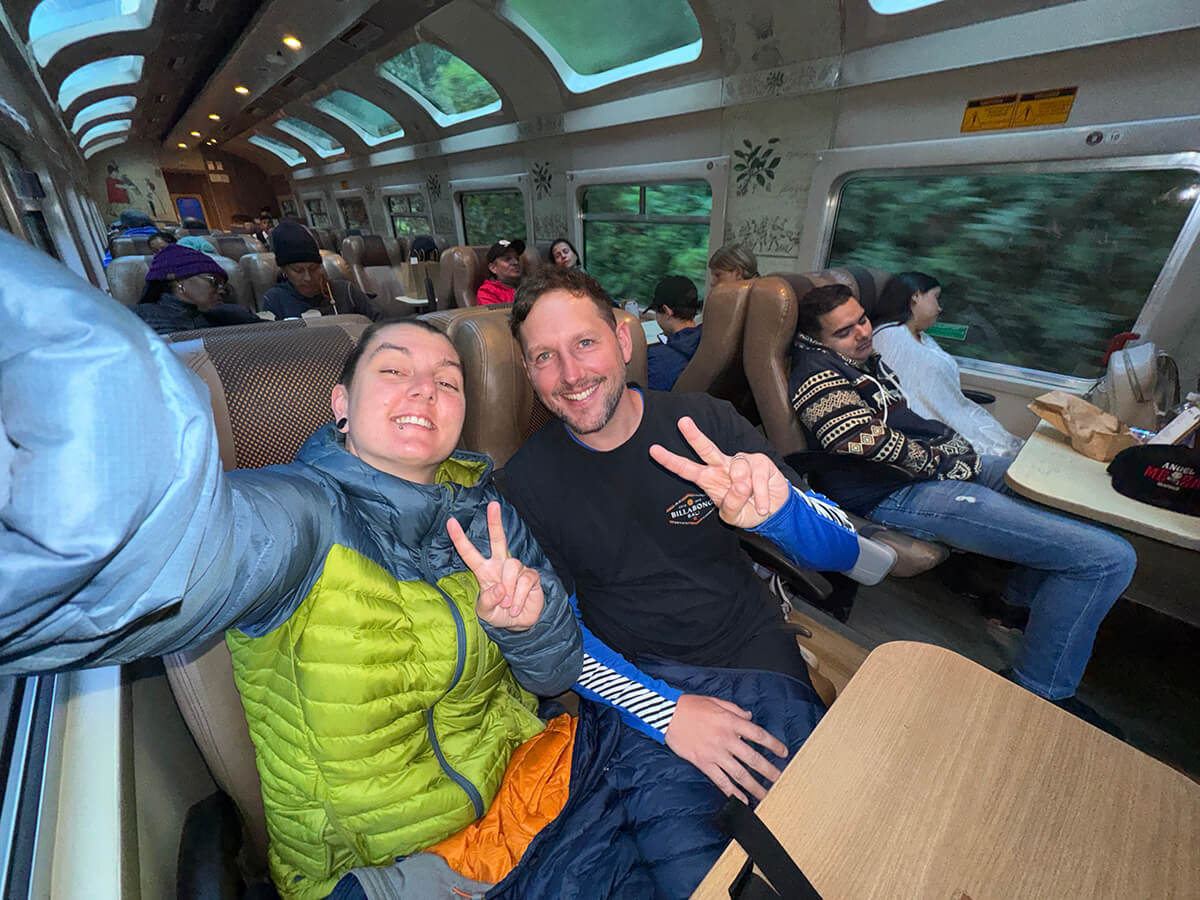
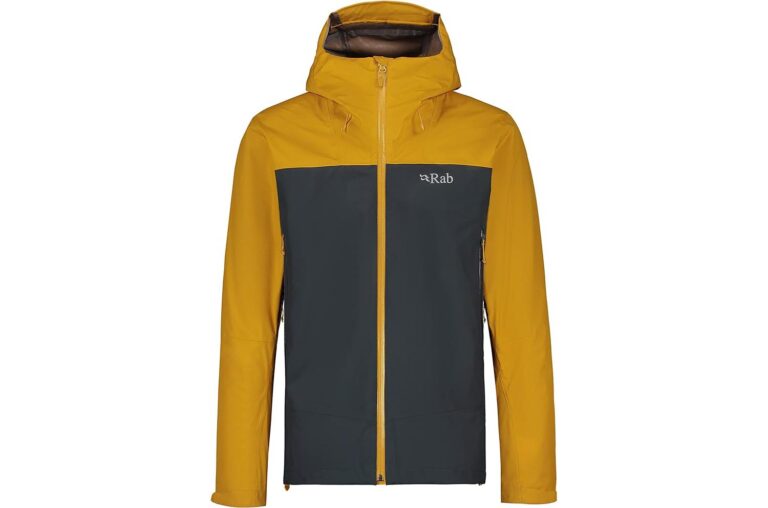
The down jacket was needed on the train in the morning! Image: The Roaming Renegades
Step 1: Cusco (or Ollantaytambo) to Aguas Calientes
Most travellers wanting to visit Machu Picchu will take the train from Cusco or Ollantaytambo to Aguas Calientes, which is a small town at the base of Machu Picchu.
Many visitors will choose to go to Ollantaytambo as a first stop on the way to Machu Picchu, as it’s situated in the Sacred Valley and has other interesting ancient sites to visit.
Getting to Ollantaytambo is easy. You can take the same train that goes from Cusco to Aguas Calientes and get off at Ollantaytambo.
Most Machu Picchu tours tend to start in Cusco, but there are also some from Ollantaytambo. Taking a tour is another ideal way to get from Cusco to Machu Picchu.
There are buses and also taxi options for the same route. But these will stop at Ollantaytambo as there is no road onward to Aguas Calientes.
Also note that there are different classes of train, each offering different levels of service and comfort, and of course, price.
Step 2: Aguas Calientes to Machu Picchu
Once you arrive in Aguas Calientes, there are only two options from here to reach Machu Picchu.
By Bus:
This is the quickest and most convenient way to get to Machu Picchu from Aguas Calientes. It’s also the most popular way
Where to Purchase Tickets?
The ticket office is not far from the train station and is called Consettur Bus Ticket. (You must also bring your passport or identity card to purchase bus tickets)
Buses from Aguas Calientes to Machu Picchu run from 5:30 am to 3:30 pm
Buses from Machu Picchu to Aguas Calientes run from 6:00 am to 6:00 pm
Buses depart every 10 minutes from the times above
You’ll need to book for a specific bus
By Hiking:
If you are feeling more adventurous and want to save a few pennies, then hiking is a great option. The route begins at the Ruinas Bridge and follows the Hiram Bingham Road (the same road the bus takes). Just follow the orange markers along the way. The route will take shortcuts through stairs that are cut into the stone, which saves time.
Note– Just to be clear. Hiking up to Machu Picchu from Aguas Calientes via this route is NOT the Inca Trail. This is merely a way to cut out the expense of the bus, as well as a nice walk up to the site. Further below in the post, I’ve broken down the various options when it comes to trekking to Machu Picchu.
Which Circuit at Machu Picchu is Best: Choosing Your Route
Alright then, let’s get into the circuits because these confused the hell out of me, and when it comes to how to visit Machu Picchu, it’s quite possibly your most important decision.
Why does Machu Picchu have routes/ circuits?
The site has become more popular over the last few years and was struggling to handle the amount of foot traffic. In an attempt to spread out the number of visitors throughout the site and at different times, authorities introduced a series of circuits and timeslots. In my Machu Picchu travel guide, I’m going to explain each one.
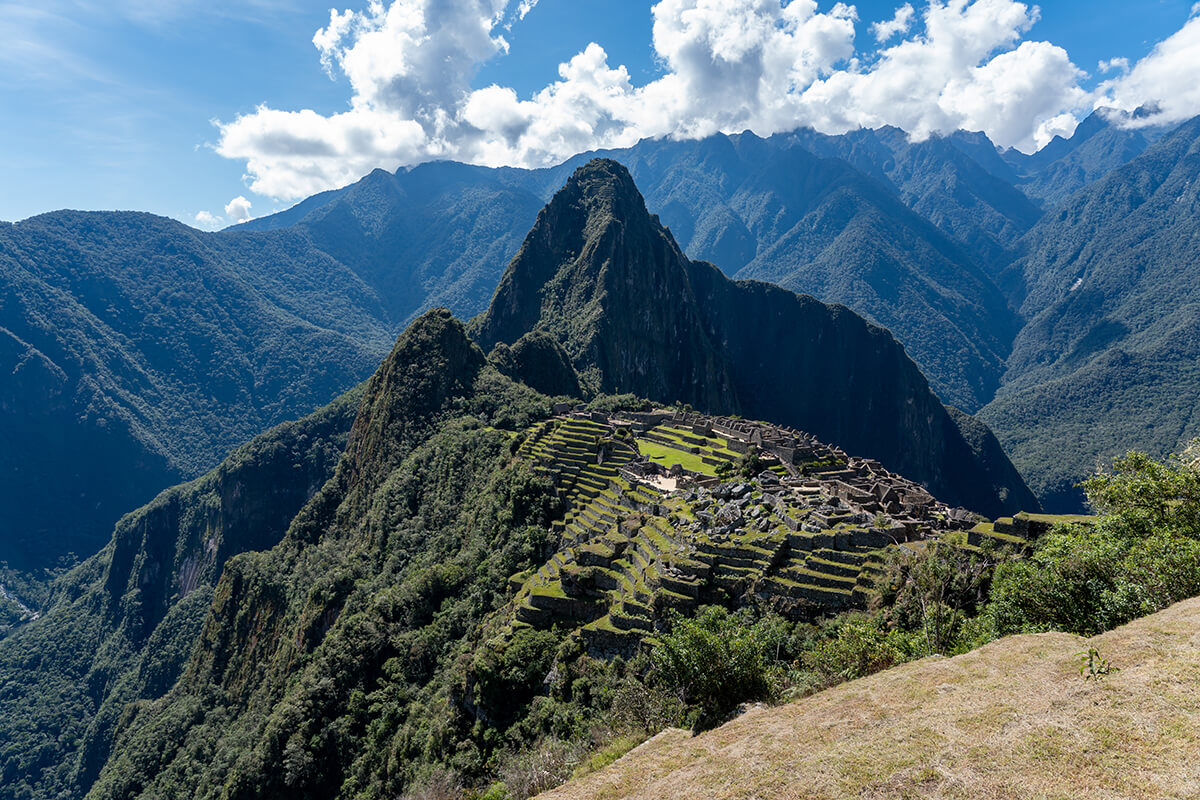
Circuit One allows you to see the classic postcard Machu Picchu view. Image: The Roaming Renegades
What Are the Different Circuits?
I’ll go into a bit more detail on each route below, as they all have additional, what I could call “sub-circuits”. These add up to a total of 10 overall different circuits, ya know, just to add to the confusion!
Circuit 1: Panorámico — The Best for the Views
The “Panoramic” circuit is aptly named, and up here, you’ll be on the higher terraces with an incredible view over the ruins.
Here you WILL get to see the iconic Machu Picchu view. But you won’t get to explore the ruins themselves.
However, this route does allow access to some impressive side hikes, including walking to the Sun Gate and up Machu Picchu mountain itself. The different routes are detailed below:
Route 1C – Intipunku Route (approx. 3.4 km round trip; only available in high season)
Route 1D – Puente Inka Route (approx. 2.6 km round trip; only available in high season)
Circuit 2: Machupicchu Clásico — The Views and City Combo
This is where you’ll find the classic Machu Picchu viewpoint, plus you’ll get to explore the site itself. It’s generally considered to be the best route for these reasons and sells out first.
It also has two different subroutes, because otherwise it would feel left out! Those are:
Route 2A – Classic Route (approx. 2.5 km)
Route 2B – Lower Terrace Route (approx. 2.7 km)
Circuit 3: Machu Picchu Realeza — The Best for Sacred Sites
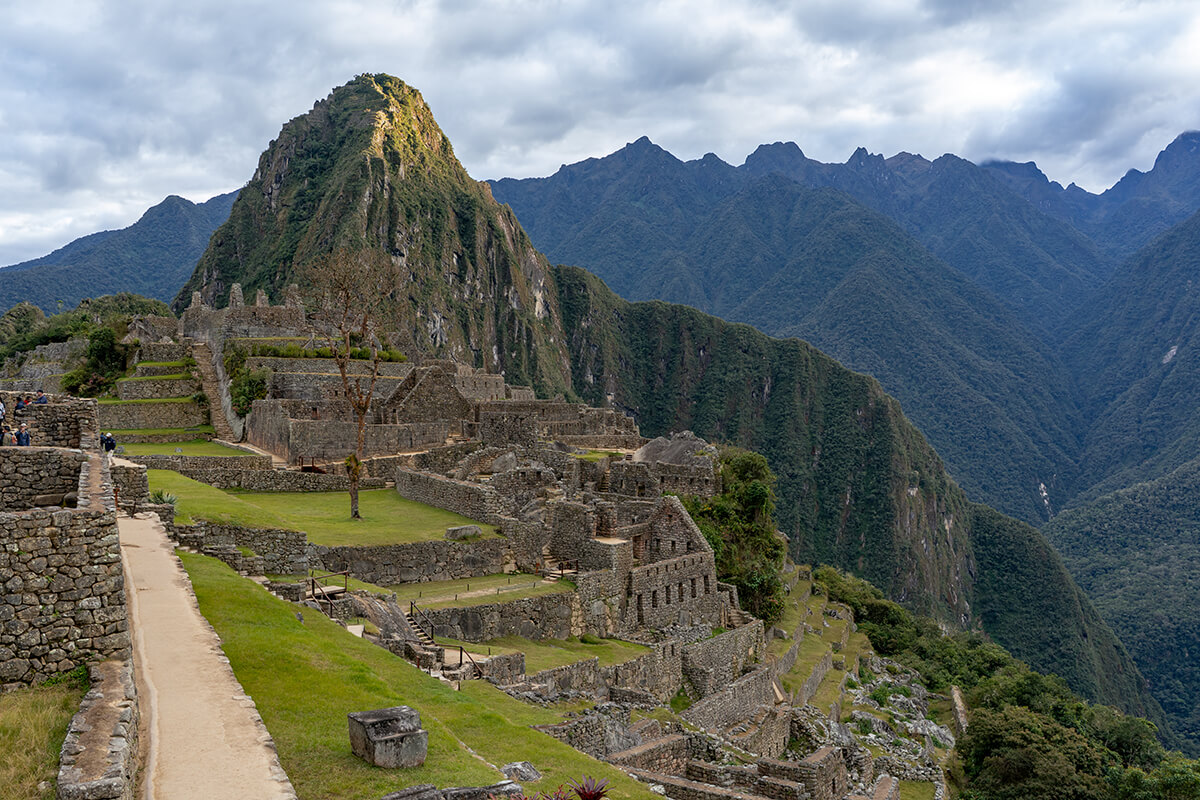
This circuit is mostly about exploring the ruins themselves as well as other interesting sites around them.
However, whilst you WON’T get the classic postcard view of Machu Picchu, you instead get a lower view that itself is still impressive and not as bad as many will lead you to believe! We did this one on the second day of our Machu Picchu tour.
As always, there are several subroutes, which are:
Route 3A – Wayna Picchu Mountain Route (approx. 2.4 km)
Route 3B – Royalty Route (approx. 1.3 km)
Route 3C – Great Cavern Route (approx. 3 km; only available in high season)
Route 3D – Huchuy Picchu Mountain Route (approx. 1.7km; only available in high season)
If you can only do one circuit, then number 2 is the most complete offering, with both the classic viewpoint and access to the site.
However, if you can, then do as we did and combine over two days a visit to Circuit 1 AND Circuit 3, this way you get the best of both worlds and a second chance if the weather isn’t great.
So, what is visiting Machu Picchu actually like then? I’ll be honest, much of our South America trip last year had to be planned and contorted around visiting Machu Picchu, which added a lot of stress to the visit.
With there being no real way to get a second crack if anything didn’t go to plan, it did feel like there was a lot of pressure in the lead-up to going. I’ll be honest, it wasn’t really until we got far enough down the trail on the day to realise that the weather would be good, that I started to enjoy myself. In some ways, it taught me an important travel lesson in just letting go and living in the moment.
We’d spent a good amount of time at altitude beforehand, so we absolutely flew up the trail (we did the one-day hike from “Kilometer 104”), in fact, this was a bit of an issue in all honesty!
Because we were in a small group of people with our guide (a requirement on the Inca Trail), their fitness was significantly less than ours. This meant when we first set off, we were getting pretty frustrated with the pace and how often we had to stop.
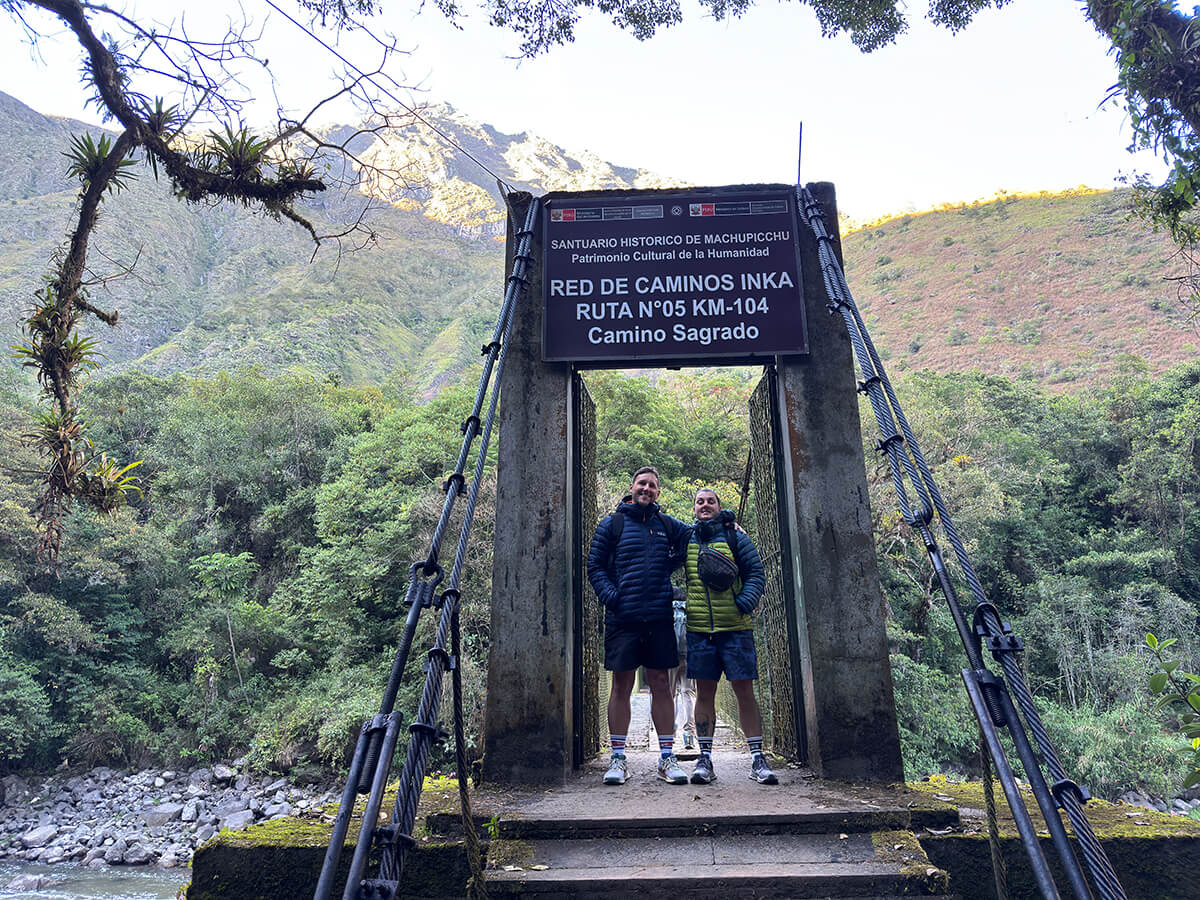
The day started early, taking a minibus and train before starting the hike at KM 104. Image: The Roaming Renegades
One of my main concerns with doing the trek was what time we’d end up at the viewpoint. I didn’t want to spend all day waiting, stopping and dragging someone else up the route to only be left with a rushed few moments at a place I’d dreamt of visiting for years.
Don’t get me wrong, I’m all for everyone having the opportunity to see this incredible place, but when one person in the group clearly isn’t suited to the challenge, it’s not fair to those of us who have prepared for it. I think in this respect, the guides should have split up the groups differently.
Anyway, being renegades and all, we might have kinda run off from our guide and pleaded with a guard at one of the checkpoints to let us through, so we didn’t have to wait… can’t confirm or deny that though!
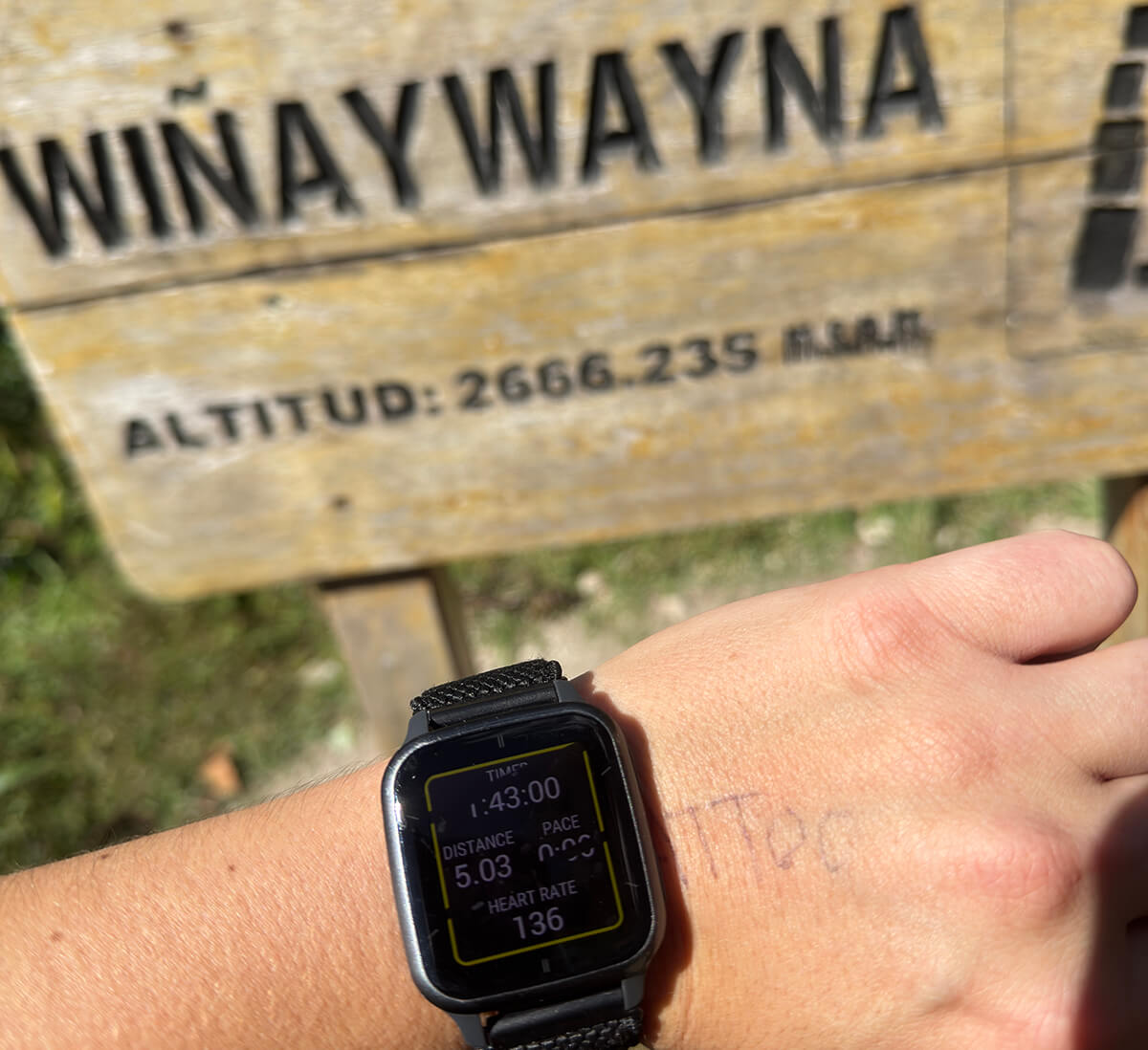
Maybe I am showing off here, but 1hr 43 mins to get to Winaywayna is pretty quick! Image: The Roaming Renegades
What I can say is that we ended up walking with many of the porters (which was a cool and eye-opening experience) and managed to get up to the viewpoint a good 3 hours before the rest of our group!
Maybe I’m showing off, but you know what, I’m so glad we did because it meant we had enough time to just sit there at the top and take it all in without feeling rushed. And look, we’re travelling here in our late 30s, so we’re no spring chickens!
The rest of the group… they arrived and had all of 20 minutes to enjoy this most wondrous once-in-a-lifetime place. Renegade for life, mate!!
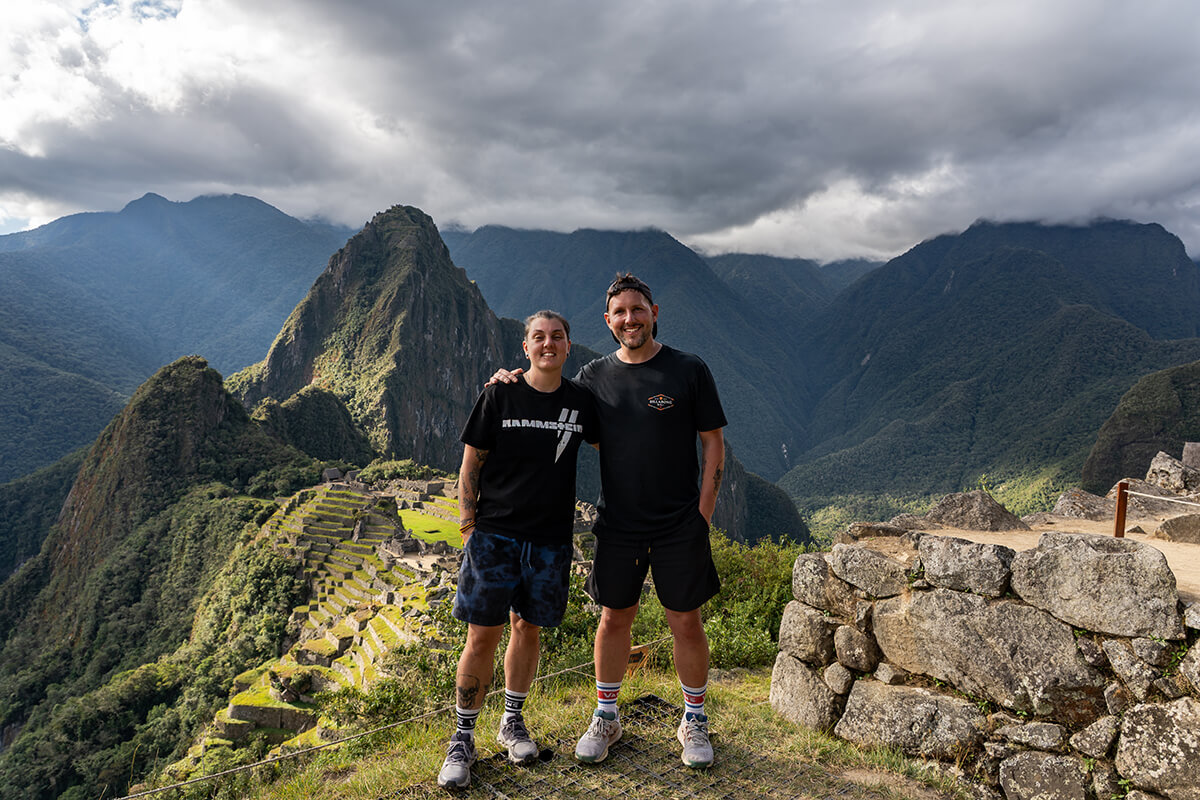
No regrets getting up to this viewpoint hours before the rest of our group! Image: The Roaming Renegades
You know what, there were a lot of other visitors, I’m not gonna lie. But by choosing the short Inca Trail and circuit 1, they actually did feel quite spaced out, and we never felt overcrowded. We actually felt we had a lot of time and space to ourselves.
Circuit 3, however, was a little more crowded, but it was still manageable. We did have to queue to take photos at the “main” viewpoint on this circuit.
The Route We Took
We took the “Short Inca Trail” route that begins by taking the train and trekking from “Kilometer 104”. This is a one-day Inca Trail hike where you’ll begin with a ride on the train.
The trail begins leisurely until it becomes a steep set of hairpin bends that take you to the ruins of Winayhuayna. This section is particularly punishing and the hardest part of the trek. Your lungs will be burning for sure! But you’ll be rewarded with lunch and time to explore the ruins once you reach the top.
From here, the route is much flatter and apart from the infamous “monkey steps”, which you’ll have to go up on all fours, it’s pretty chill as you make your way to the Sun Gate.
From the Sun Gate, the path is flat and clings to the side of a steep cliff. As you pass through, you’ll get your first view of Machu Picchu in the distance. This section is the most enjoyable. It’s flat, has incredible views, and you know the hard work is behind you!
The Short Inca Trail ends by joining Circuit 1, so you get the panoramic view from up here.
From there, we took the bus back down to Aguas Caliente and spent the night in a hotel.
On day two. We took the bus back up to Machu Picchu and explored Circuit 3… with our guide this time! When it comes to all the different Machu Picchu trips available, we felt this offered us the most varied experience.
I’m fully aware this is an unhinged time – and yes, I’m bragging, but we did spend a long time at altitude beforehand!
Who We Booked With
We booked through “Machu Picchu Reservations”.
Whilst we had a great time on the whole, unfortunately, in the months since we did our trek, they have gone bust. So I can’t recommend them for guided trips to Machu Picchu! Eitherway, if you’re travelling on a budget, this experience is going to cost you, but it’s worth it.
Another unfortunate annoyance is that if you want to go on the Inca Trail, you will need a guide, and they limit the number on the trail quite strictly. So you WILL need to book with a company and do it as a Machu Picchu guided tour.
However, this tour is very similar to the one we did, is highly rated and has a very similar Machu Picchu itinerary to ours.
I mean, in terms of the place itself, I loved it all. I’ve been to other Wonders of the World and so-called “bucket list” destinations (Christ the Redeemer – I’m looking at you, bro!), and they’ve fallen short of the experience you’ve dreamt of for years.
Machu Picchu lived up to the billing in every way possible. In a lot of ways, it was so much more than I imagined. I never even realised before we started looking more into it that you could actually explore the ruins themselves and how vast they were.
I also loved that we had ample time at the viewpoint in order to take all our photos and also just sit back and soak in the view without feeling rushed. And, to be honest, this was down to us blagging our way up here and getting a hustle on.
Also, the circuit here plays a massive part in the ability you’ll have to hang around. On circuit 1, things are a bit more relaxed, and you can go back on yourself and sit down and chill, especially right up at the top. On the other circuits, the guards do move people on, and they have one-way systems that are heavily policed.
Given how our experience turned out, I am not sure. The fact that there is no way to hike the trail without a guide means that unless we splashed out on a guide for ourselves, we’d end up in the same situation.
Personally, I felt the Machu Picchu guided hike was a bit patronising, given how easy the trail is, but I do get it. Having said that, the guided tour of Machu Picchu on the second day was very informative.
What I might have done differently would be to also reserve some backup tickets for circuit 1 in case the weather was bad, or other things didn’t work out. That would have taken a lot of the stress out of the time leading up to the trek. And as much as it was nice to have, I probably wouldn’t have opted for a guided Machu Picchu tour myself.
Circuit 3 still offers a great experience to explore the ruins. Image: The Roaming Renegades
A Note on Visiting Machu Picchu Responsibly
We all know this, but despite being somewhere the Spanish failed to find, it’s somehow crawling with visitors. I’m not going to sit here and preach, because let’s face it, I’ve been there, and if you’re reading this, you’re likely planning to as well.
Circuits and timed entry have been introduced by the government in an attempt to spread visitors out. Honestly, it’s frustrating, but it does do that quite effectively. It’s a popular destination for backpackers and vacationers alike, so it does get busy.
But, there are a few ways as a visitor you can reduce the impact of your visit.
The first is to visit using a local company with indigenous guides, so you are directly supporting the people of the region (tip your Machu Picchu tour guide!). It also goes without saying that you should not only be respectful of the locals, but also of their culture and history.
Machu Picchu is sacred, and should be viewed in the same light as visiting somewhere like a cathedral, mosque or temple. So no drones, loud music, disrespectful photos, climbing on walls or taking souvenirs.
Reducing your environmental impact is important. This means taking as much public transport as possible, walking when you can, reducing your single-use plastic usage and making damn sure you take your rubbish with you. Adopting the “leave no trace” philosophy is key here.
Another option is to opt for other routes, such as the Salkantay Trek, which avoids the Inca Trail and ends in Aquas Caliente and I’m told, is incredibly beautiful.
The Essential Machu Picchu Travel Guide: What You Need to Know
I’ve already covered a lot of info, but when it comes to how to visit Machu Picchu, there are a few essential tips I have for you before you go happily skipping off to the Sacred Valley.
Book Tickets in Advance
This is probably the MOST IMPORTANT Machu Picchu information I can give you!
You MUST book your tickets at least 3 months in advance (especially during the high season) if you are to avoid disappointment.
Whilst there is a quite laborious and not guaranteed way to get last-minute tickets, it’s not recommended at all.
You can either book tickets online on the official website or when you book a tour, your operator will usually book them for you as part of your package (but DOUBLE CHECK this).
Firstly, you need to go to the Ministry of Culture office in Aguas Calientes, the day before your planned visit to Machu Picchu, where you’ll collect a token.
The token that you’re given will tell you the time that you need to return to the office to then purchase your Machu Picchu tickets.
Return to the office at the time that your token indicates.
You will then be able to select the circuit/ route that you want to do (this is subject to availability). Usually, the most popular routes will be sold out already.
If there aren’t any tickets left for the route you want, either choose another one or, if you have time, try the same process again the next day.
I recommend leaving yourself some spare days if you choose this option!
Do Your Research
Before booking any tickets, circuits, guides or treks… do your research! Know which ones are going to provide you with the experiences and views you’d like to avoid disappointment. There are plenty of options when it comes to Machu Picchu guided trips, so think before you book.
It’s also worth setting out our expectations from the off and choosing a trail or circuit that best suits what you’re after. Doing adequate research into the company you book with is also important to ensure your money goes to the right people, and again, to be sure you don’t end up missing out on anything important to you.
It’s important to know which circuit you want to visit. Image: The Roaming Renegades
Best Time to Visit Machu Picchu
Machu Picchu has famously incremental weather, even during the best time of the year to visit, so unfortunately, nothing is guaranteed here.
However, Peru operates like many other equatorial nations in that it has a rainy and a dry season… and as you can imagine, you’ll want to visit during the former. One of the biggest Machu Picchu travel tips I can give you is to plan out what time of year you visit.
This time of year is winter in Peru (being in the Southern Hemisphere). The weather is generally mild, dry and sunny with temperatures anywhere between 17–22°C (63–72°F)
during the day and 5–10°C (41–50°F).
If you want the best chance to get clear skies and no rain, June, July, and August are the ideal months to book. This is the best time to go to Machu Picchu.
If you want me to be even more specific, then the best month to visit Machu Picchu is June.
This also happens to be the busiest time of year, so tickets, transport, accommodation and tours sell out much quicker.
Visiting during the shoulder seasons offers the ideal balance between (hopefully) good weather and fewer crowds. It’s a risk for sure, which could go either way, but it’s a good option if you’re struggling to get tickets for the high season.
There is more of a chance of showers in the afternoon during this time, and temperatures are mild at around 18–24°C (64–75°F) during the day and 8–12°C (46–54°F) at night.
This is the summer in Peru, and the weather is generally characterised as wet, though November and December can have the odd sunny morning.
January and February are the wettest months at Machu Picchu with frequent and heavy downpours. Also note that the Inca Trail is closed in February for maintenance.
Expect humidity to be high and temperatures of 9–25°C (66–77°F) during the day and 10–13°C (50–55°F) at night.
Other Must-Know Info and Tips for Machu Picchu
Opening Times
Machu Picchu is open every day of the year from 6 am to 5:30 pm. Try to get there either first thing in the morning or late afternoon.
Will There Be Toilets at Machu Picchu?
There are no toilets on any of the circuits once you are inside. However, there are a few on the Inca Trail. There are toilets outside the main entrance that require a small fee (2 soles) to use. You cannot exit to use the toilet and then re-enter.
And Don’t Forget to Bring Your Passport
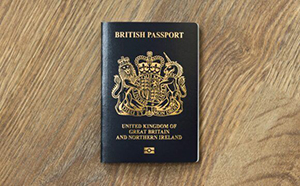
You must remember to bring your passport when visiting Machu Picchu, as entry will not be allowed without it. It must be your actual passport – not a copy or picture of it.
You must also have your passport for boarding any trains and purchasing tickets.
Keep it in a dry bag as rain is always possible at Machu Picchu.
Be Aware That There Are a Few Prohibited Items
Drones
Tripods/ Monopods
Selfie sticks
Umbrellas
You’ll just have to use your hand for a selfie… sometimes that’s the only option! ;-p Image: The Roaming Renegades
How to Avoid Altitude Sickness When Visiting Machu Picchu?
Most people will usually arrive in Cusco (3400m) first, which already sits at around 1000m higher than the Machu Picchu elevation (2430m). Many of those who are likely to suffer from altitude sickness will begin to feel it soon after their arrival.
Acclimatising for a few days in Cusco before heading to Machu Picchu is ideal, as it means you should be well able to cope with hiking or walking up steep steps at the lower altitude. This was one of the real benefits of travelling slowly; we had because we’d spent a good amount of time in the region before tackling the Inca Trail.
Common Symptoms of Altitude Sickness:
Headache
Dizziness
Light headed
Nausea
Loss of appetite
Difficulty sleeping
If any of these conditions worsen, you have difficulty breathing, or you start feeling confused. Descend immediately and seek medical advice.
Things that can help combat the symptoms or stop you from suffering altogether:
Be Patient – Don’t book your Machu Picchu visit the day after you arrive in Cusco. Give yourself a few days to acclimatise to Cusco’s altitude first.
Stay Hydrated – The lack of oxygen makes you breathe faster and heavier, and this, coupled with the air being much drier, causes you to lose more water through sweating. Isotonic drinks such as Powerade are particularly useful.
Try Coca sweets or Drink Coca Tea – Although there isn’t any scientific evidence that coca helps with altitude sickness, it has been used for centuries by the Andeans as a stimulant and natural remedy. So it’s worth trying!
Consider Taking Medication – If you have a history of altitude sickness, it is worth consulting with your doctor beforehand or speaking to a local pharmacist.
Rest – If you have symptoms of altitude sickness, make sure to get as much rest as possible to give your body a chance to adapt.
Descend – Some people will arrive in Cusco and head straight to the sacred valley (Ollantaytambo), as this is around 2800m, making it at least 600m lower than Cusco. In extreme cases, leaving the area is the best course of action.
Seek medical attention – If you feel your symptoms are becoming serious, then seek out a local doctor or pharmacy; many carry oxygen for this reason.
Acclimatising in Cusco for a few days beforehand helps. Image: The Roaming Renegades
What to Pack for Machu Picchu
Here I’ll go through a few essential items to bring with you on your Machu Picchu adventure.
Small Hiking Backpack
Whether you’re tackling the trails or you’re heading up to Machu Picchu for the day, you’ll want to bring some supplies with you – it’s pretty barren up there! So it’s important to get yourself a good-quality, comfortable hiking backpack that can handle a waterbottle, snacks, cameras, jackets and the like.
You’ll want to capture your once-in-a-lifetime visit to Machu Picchu with a good camera. Be sure to stock up on spare batteries and memory cards, because I can guarantee you’ll get a bit snap-happy up here! If you’re a keen travel photographer, then Machu Picchu is pretty much the holy grail!
Do yourself a favour and make sure you buy some comfortable and waterproof trail shoes for visiting Machu Picchu. Even if you’re not tackling the Inca Trail, the various circuits involve a lot of steps and uneven surfaces. Plus, the weather can change at a moment’s notice.
You will get eaten alive at Machu Picchu. I don’t even know what the little buggers were, but sitting in that grass for a few hours we were covered in bites!
Trekking over the uneven ground of the pathways, steps and circuits of Machu Picchu, it’s best to be prepared incase you pick up a blister or a sprained ankle.
Just incase you were unaware, yes, it could rain! Keep your valuables, (especially your passport) locked inside a dry sack even if it’s not raining because your water bottle can leak or even sweat could damage them.
You won’t be able to access any part of Machu Picchu without your passport… DON’T FORGET IT!! And keep it safe!
Oh, and you might be wondering, can I take trekking poles? Yes, you can and for those with mobility issues or heading on the trails, they can be a great addition to your pack.
But What About Hiking to Machu Picchu, Peru? (The Trails and the Vibes)
If you want a more adventurous route to Machu Picchu, then consider doing one of these treks. I’ll be honest, trekking to Machu Picchu is more for those who want to walk in the footsteps of the Incas and extend their journeys through some incredible landscape. If you love including adventure activities on your trips, then it might just be for you!
However, for many people, their trips to Machu Picchu start with a long, tiring hike, and in many ways, it makes that view feel even more earned.
Hiking was a great way to get to Machu Picchu, but it’s not easy! Image: The Roaming Renegades
The Many Treks to Machu Picchu
If you fancy these, then here’s a brief look at the different options available. When it comes to things to do in Machu Picchu, these are the main options for trekking routes.
Days: 4 days (3 nights)
Distance (approx): Approx 44 km
Start point: Km 82 (Sacred Valley)
Cost: £480–£670 ($650 – $900) (permit included)
Overview: This is the classic route along the original Inca trail ending at the Sun Gate into Machu Picchu. This route finishes at the ruins (but a circuit ticket is still required, and should be included with a reputable tour operator)
Additional Info: Can also be done as a one-day hike (the Short Inca Trail) from Km 104 (this is what we did). A permit is required to hike on any part of the Inca Trail, and they are limited per day.
Cost: £370 – £745 ($500 – $1,000) (no permit needed)
Overview: A dramatic, high-mountain alternative with snowy passes and beautiful lakes before a descent into Aguas Calientes.
Additional Info: The trek doesn’t directly finish at Machu Picchu, but in Aguas Calientes, and a regular ticket will be required for whichever one of the circuits you want to visit.
Cost: £445–£895 ($600 – $1,200) (no government permit)
Overview: A cultural route through remote Andean villages before finishing near Machu Picchu.
Additional Info: The trek doesn’t directly finish at Machu Picchu, but in Aguas Calientes, and a regular ticket will be required for whichever one of the circuits you want to visit.
Cost: £600 – £1,120+ ($800 -1,500+) (varies widely) — permits not the same as Inca Trail
Overview: Extended route via the less-visited Choquequirao ruins before heading to Machu Picchu.
Additional Info: Finishes at the Choquequirao ruins, where you’ll take transport to Aguas Calientes. A regular ticket will be required for whichever one of the circuits you want to visit.
Overview: A mix of hiking, biking, and rafting – adventure-style route ending at Machu Picchu
Additional Info: The trek doesn’t directly finish at Machu Picchu, but in Aguas Calientes, and a regular ticket will be required for whichever one of the circuits you want to visit.
Alright then, folks, there we have it. I hope you feel inspired to visit and not too downbeat about overtourism at Machu Picchu. Ok, there are a lot of people there, but this is a wonder of the world after all, and for us, it was everything we dreamt of and more. I really cannot recommend a trip to Machu Picchu enough.
If you are strategic with how, where and when you visit, you can definitely find some peaceful pockets on the trails and circuits where it’s entirely possible to sit back and soak in the history, culture and beauty of this incredible place.
Just watch out for the odd llama gone wild on the terraces, is all I’m saying! Oh, and your reward for reading this Machu Picchu Guide is below!
Here’s your reward… a llama at Machu Picchu (which could an alpaca, honestly don’t know!) Image: The Roaming Renegades
Buy Us a Coffee
A few people have asked us recently how they could help us out on our travels, so we thought we’d add our very own tip jar for those who can’t support us by clicking through our affiliate links.
We work hella hard on this site to bring you all the most epic and up-to-date travel info from around the planet. So if you’ve enjoyed what you’ve seen, then we’d appreciate anything, no matter how small, you can contribute as a thank you.
Above all, thank you for being here and reading our content, it means the world to us.
If you just want to visit the main viewpoints and ruins, then you’ll need to fly into Cusco, then take the train to Aguas Calientes. From there, take the bus up to Machu Picchu, booking tickets for Circuit 2 at least 3 months in advance.
The other way to visit if you’re up for a hike is by taking either the four-day Inca Trail hike or the one-day Short Inca Trail, where you’ll enter Machu Picchu via the famous Sun Gate.
How to visit Machu Picchu? Well, there are several steps.
First, you need to get to Cusco.
The most popular ways are taking a hiking tour via the Inca Trail or taking the train from Cusco to Aguas Calientes and then taking the bus up to Machu Picchu. Both offer different but amazing experiences.
The best time of year to visit Machu Picchu is between June and August. This is the dry season, and when the weather is at its best. You have clearer skies and less chance of rain or low cloud obscuring the ruins and surrounding mountains.
The most popular route is 2B, as this allows you to see the ruins from the classic viewpoint and also allows you to explore some of the citadel.
It is also worth combining circuit 1C with circuit 3B, as this allows you to see the famous sun gate (Intipunku) and the classic viewpoint, plus areas of the lower ruins.
Yes, actually, it is!
It requires quite a bit of organisation, planning and timing, but it’s well doable if you don’t do any of the hiking trails. The best way to do it would be to organise it with a specialised tour and guide, but it’s also possible on the train from Cusco to Aguas Calientes and then on the bus to Machu Picchu.
No, to just visit the site, you only need your ticket and your passport and don’t need to have a tour guide. However, being such a historic place, it’s good to have one for at least some of your visit.
If you’re wondering, “Can you hike Machu Picchu without a guide?”, well, no, not on the Inca Trail. If you hike any part of the Inca Trail, you do need a guide and a permit.
For transparency’s sake:Many of the links we have on our site are affiliate links. This means that when you click one of these links and make a booking or purchase, for example: accommodation, gear, insurance or transport, we earn a small commission (at no extra cost to you).Also, know that as an Amazon Associate, we earn from qualifying purchases. Most importantly, know that we still only recommend services, gear and products we believe in and our earned commission helps us keep travelling and bringing you high-quality posts and content.
Yo, I’m Nic (they/them), one-half of The Roaming Renegades.
I’m an adventure (and halloumi) obsessed traveller with a passion for hiking mountains, exploring cities, watching Arsenal win, moshing out to Rammstein in random European fields and getting hopelessly lost on a motorbike somewhere in Asia! I am also a proud member of the LGBT+ community.
I’ve explored 80 countries, lived in Australia and New Zealand, and spent months wandering Southeast Asia, South America and Eastern Europe, all while trying to avoid growing up!
Did it work? I dunno, but my back hurts, and I still collect Pokémon cards! Who wants in?!
We value your privacy. We use cookies to improve your experience on our site. By using our site, you consent to cookies.
This website uses cookies
Websites store cookies to enhance functionality and personalise your experience. You can manage your preferences, but blocking some cookies may impact site performance and services.
Essential cookies enable basic functions and are necessary for the proper function of the website.
Name
Description
Duration
Cookie Preferences
This cookie is used to store the user's cookie consent preferences.
30 days
These cookies are needed for adding comments on this website.
Name
Description
Duration
comment_author
Used to track the user across multiple sessions.
Session
comment_author_email
Used to track the user across multiple sessions.
Session
comment_author_url
Used to track the user across multiple sessions.
Session
Statistics cookies collect information anonymously. This information helps us understand how visitors use our website.
Google Analytics is a powerful tool that tracks and analyzes website traffic for informed marketing decisions.
Used by Google Analytics to determine which links on a page are being clicked
30 seconds
_ga_
ID used to identify users
2 years
_gid
ID used to identify users for 24 hours after last activity
24 hours
_gat
Used to monitor number of Google Analytics server requests when using Google Tag Manager
1 minute
_gac_
Contains information related to marketing campaigns of the user. These are shared with Google AdWords / Google Ads when the Google Ads and Google Analytics accounts are linked together.
90 days
__utma
ID used to identify users and sessions
2 years after last activity
__utmt
Used to monitor number of Google Analytics server requests
10 minutes
__utmb
Used to distinguish new sessions and visits. This cookie is set when the GA.js javascript library is loaded and there is no existing __utmb cookie. The cookie is updated every time data is sent to the Google Analytics server.
30 minutes after last activity
__utmc
Used only with old Urchin versions of Google Analytics and not with GA.js. Was used to distinguish between new sessions and visits at the end of a session.
End of session (browser)
__utmz
Contains information about the traffic source or campaign that directed user to the website. The cookie is set when the GA.js javascript is loaded and updated when data is sent to the Google Anaytics server
6 months after last activity
__utmv
Contains custom information set by the web developer via the _setCustomVar method in Google Analytics. This cookie is updated every time new data is sent to the Google Analytics server.
2 years after last activity
__utmx
Used to determine whether a user is included in an A / B or Multivariate test.